
Last updated October 15, 2026
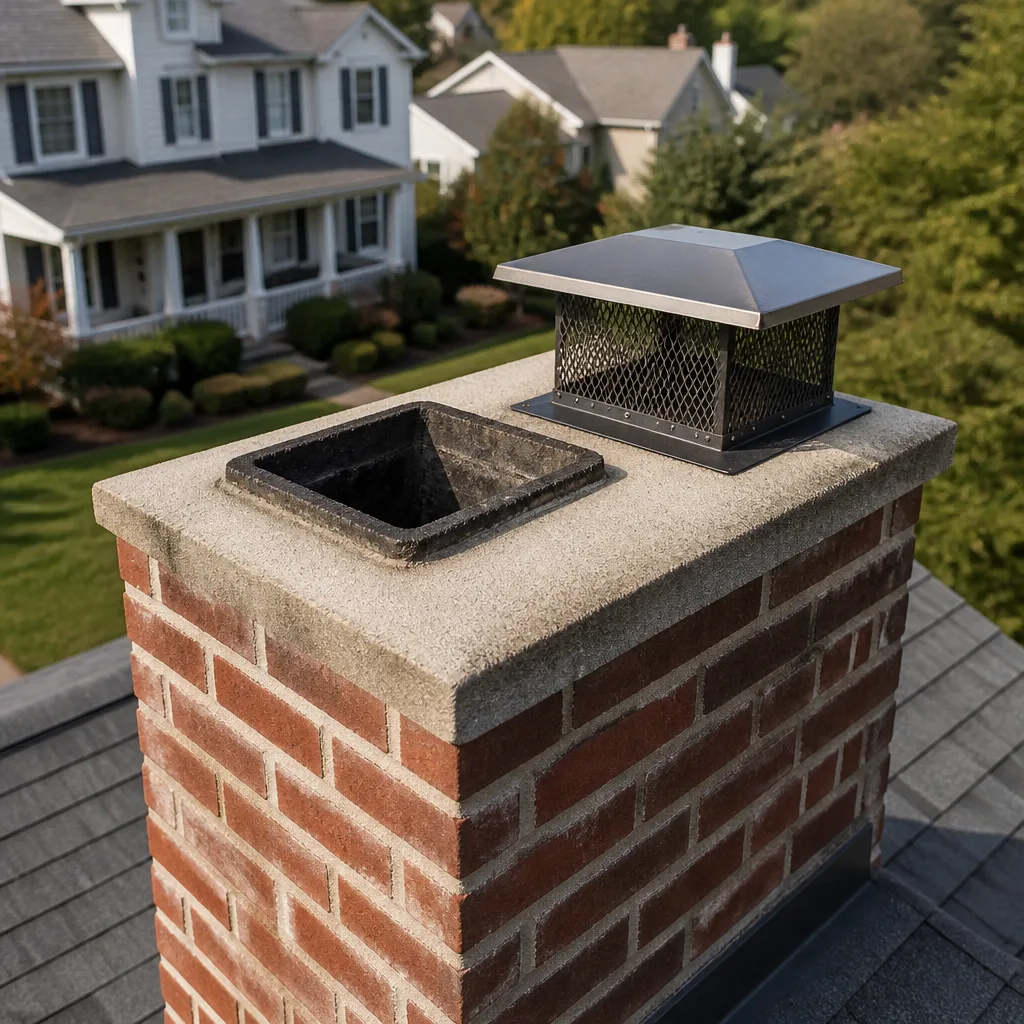 Sweep & inspection
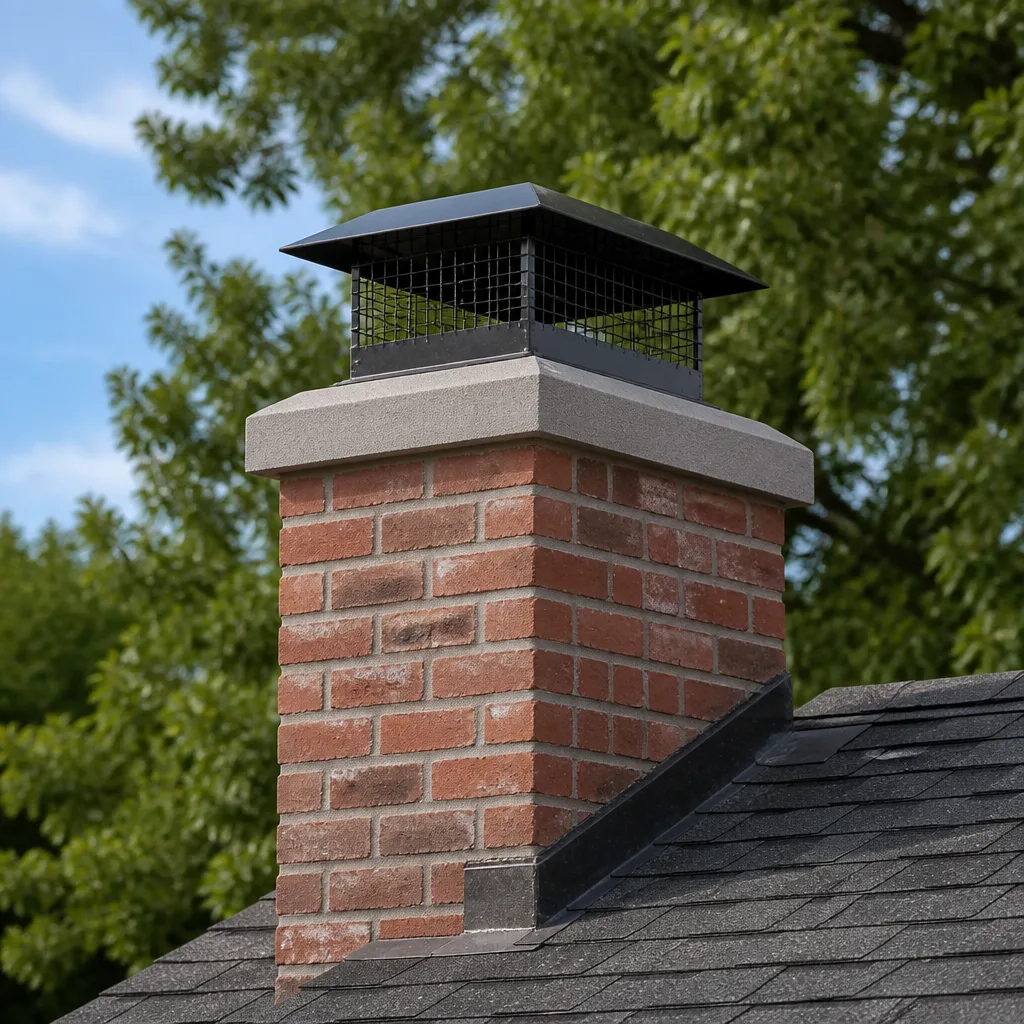 Caps & crowns
 Flue relining
 Masonry repair
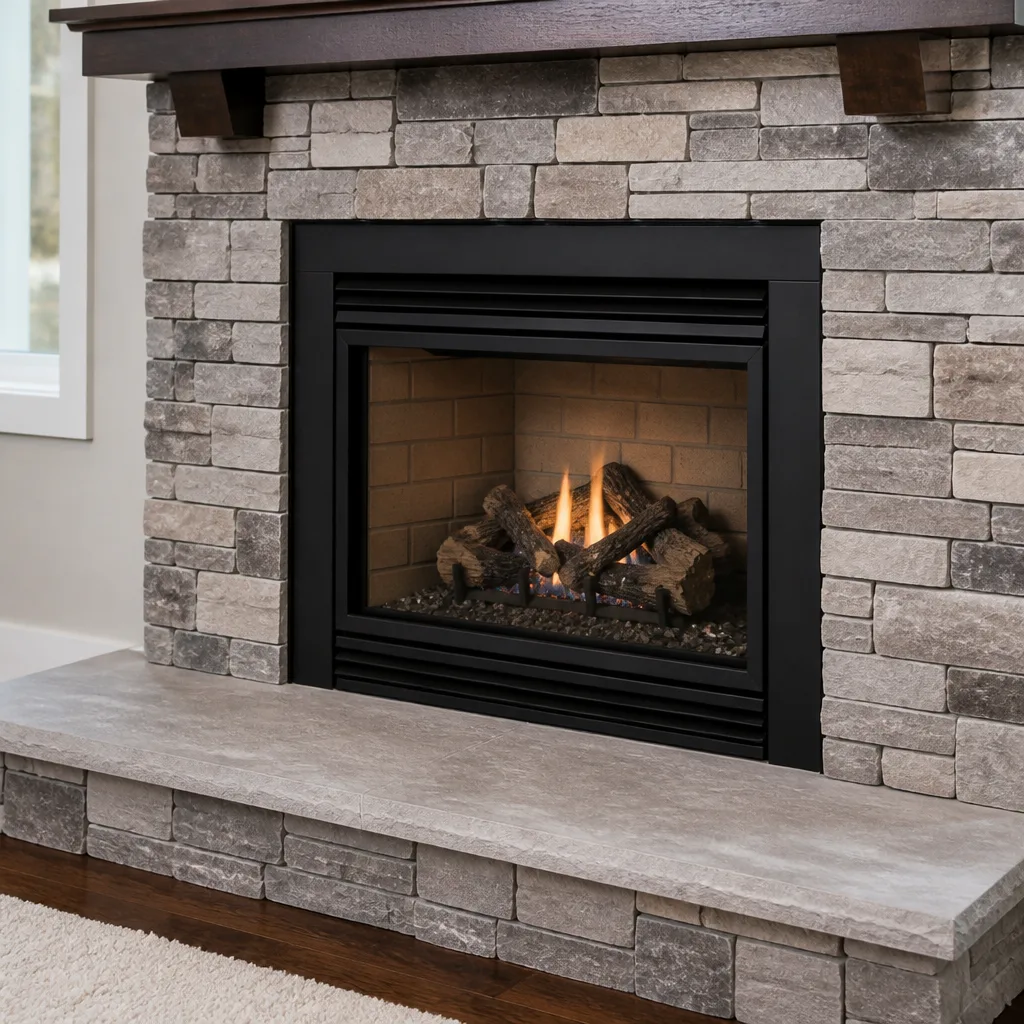 Gas fireplace service
Level 1 sweep and inspection to the NFPA 211 annual standard - flue, crown, cap, and flashing checked and photographed
Chimney sweep logs do not sweep chimneys. They loosen some creosote - which then falls where a brush and vacuum still have to collect it.
Chimney Sweep Maintenance Checklist for Orlando Homeowners
A chimney technician in Orlando once pulled a 14-inch wasp nest out of a flue that a homeowner had checked off as “inspected” the previous spring. The nest was built after the inspection, in June, when no one was looking. That’s the problem with generic chimney checklists: they assume the chimney stops changing when you’re not using it. In Orlando, humidity, hurricane season, and long summer dormancy create a maintenance calendar that looks nothing like the one-size-fits-all advice written for Minnesota or Michigan. This guide gives you a month-by-month checklist built around Orlando’s actual seasons, so you know exactly what to check, when to check it, what’s safe to do yourself, and what genuinely needs a certified sweep with a camera.
Styles & brands we work with
Quick Answer
A chimney maintenance checklist for Orlando homeowners should follow four seasonal checkpoints: a June storm-prep check before hurricane season, an October pre-season sweep and inspection before burn season, a February mid-season safety check, and an April post-season close-up. Most standard chimney sweeps in Orlando run between $150 and $300, and the most important Florida-specific task is keeping the damper sealed against humidity in summer, not just against heat loss in winter.
Table of Contents
- Why Orlando Needs Its Own Chimney Calendar
- June Checklist: Hurricane Season Prep
- October Checklist: Pre-Season Sweep and Inspection
- February Checklist: Mid-Season Safety Check
- April Checklist: Post-Season Close-Up
- Damper Seals as a Humidity-Control Task
- Documenting Chimney Condition with Phone Photos
- DIY Visual Checks vs. Certified Sweep with a Camera
- Common Mistakes to Avoid
- When to Call a Professional
- Frequently Asked Questions
- The Bottom Line
Why Orlando Needs Its Own Chimney Calendar
Most chimney maintenance advice is written for cold climates where the fireplace runs from October through March and sits cold the rest of the year. Orlando flips that logic. The fireplace gets used for maybe three or four months, then sits dormant through the longest stretch of the year. That dormancy is not neutral. Humidity moves into the flue, creosote absorbs moisture and turns acidic, and insects find the dark, sheltered space above the damper. A chimney that was clean in February can be home to wasps, bees, squirrels, or birds by August.
In our experience working on chimneys across Orlando, from College Park to Winter Park to Dr. Phillips, the most common issues we find are not from heavy use. They’re from neglect during the off-season. The flue liner corrodes faster when creosote sits moist against it for six months. The damper rusts in the open position. The firebox develops efflorescence, which is the white mineral staining that appears when moisture wicks through masonry. None of these problems appear on a Minnesota checklist because Minnesota chimneys stay in use or stay dry.
Orlando’s climate also creates a burn schedule that clusters use into short, intense windows. Families light fires on the first cool weekend in November, keep them going through the holiday stretch, and taper off by Valentine’s Day. That pattern means the chimney gets loaded with creosote quickly, then left alone. A single pre-season sweep in late October or early November handles most of the seasonal buildup, but the mid-season check matters more here than in colder cities because the burn window is compressed.
June Checklist: Hurricane Season Prep
June 1 marks the start of hurricane season in Central Florida. For a chimney, the risk is not just high wind. It’s horizontal rain driven against the chimney crown, it’s debris from oak trees and palm fronds slamming into the cap, and it’s the pressure differentials that pull water into any small crack in the crown or flashing. A chimney that leaks during a hurricane does not politely drip. It channels water down the flue and into the firebox, often soaking drywall and flooring before the homeowner notices.
Here is the June checklist we recommend for every Orlando homeowner with a fireplace:
- Visually inspect the chimney cap from the ground. Look for missing screens, bent metal, or a cap that’s shifted off-center. You can do this with binoculars or a phone camera zoom. If the cap is damaged, rain and animals both have an open door.
- Check the crown for visible cracks. The crown is the concrete slab at the top of the chimney. Hairline cracks expand under thermal stress and let water in. From the ground, you’re looking for dark staining, missing chunks, or visible gaps where the crown meets the flue tile.
- Inspect flashing from the roof edge if safe to do so. Flashing is the metal where the chimney meets the roofline. In College Park and other Orlando neighborhoods with older homes, aged flashing is a common leak source. If you can see lifted edges, rust, or gaps in the sealant, that’s a water entry point.
- Close the damper fully and check the seal. During hurricane season, a closed damper keeps wind-driven rain from being pulled down the flue. If the damper doesn’t close completely or you can feel air moving when it’s shut, that’s both a humidity and a water entry problem.
- Take photos. We’ll cover this in detail below, but a phone photo of the cap, crown, and flashing creates a baseline you can compare against after any major storm.
None of these June steps require climbing onto the roof. If you see something that looks wrong, schedule a professional inspection before hurricane season intensifies in August and September. The cost of an inspection is always less than the cost of water remediation.
October Checklist: Pre-Season Sweep and Inspection
By October, the summer dormancy is ending. Humidity has had six months to work on the flue. Insects have had the whole summer to build nests above the damper. If the chimney has any moisture damage, October is when you want to find it, not November when the first fire hits cold masonry that’s been soaking up humidity for months.
The October checklist is the most involved of the four seasonal checkpoints:
- Schedule a professional chimney sweep and inspection. This is the one non-negotiable item. The sweep removes creosote from the previous season and any debris that accumulated over the summer. The inspection catches cracks, liner damage, and moisture issues before the burn season starts. A standard sweep and Level 1 inspection in Orlando runs between $150 and $300 for most homes, depending on flue condition and accessibility.
- Run the damper open and closed through its full range. After a long summer closed, dampers stick. Rust on the mechanism, dust and insect debris in the tracks, and thermal expansion all contribute. If the damper is stiff or won’t seat fully, that’s a repair item before the first fire.
- Check the firebox for cracks, spalling brick, or efflorescence. Look at the walls and floor of the firebox with a flashlight. Hairline smoke stains are normal. Actual cracks, crumbling mortar, or white mineral deposits mean moisture has penetrated the masonry.
- Test the carbon monoxide detector. This matters in Florida because homes are sealed tighter than in older climates. A CO detector placed in the room with the fireplace and another near sleeping areas is the single most important safety tool during burn season. Test the batteries in October, then again in February.
- Clear the hearth area. Remove anything flammable from the hearth and the immediate surrounding area. In homes with kids and pets, this also means moving toys, pet beds, and anything a curious child could reach during a fire.
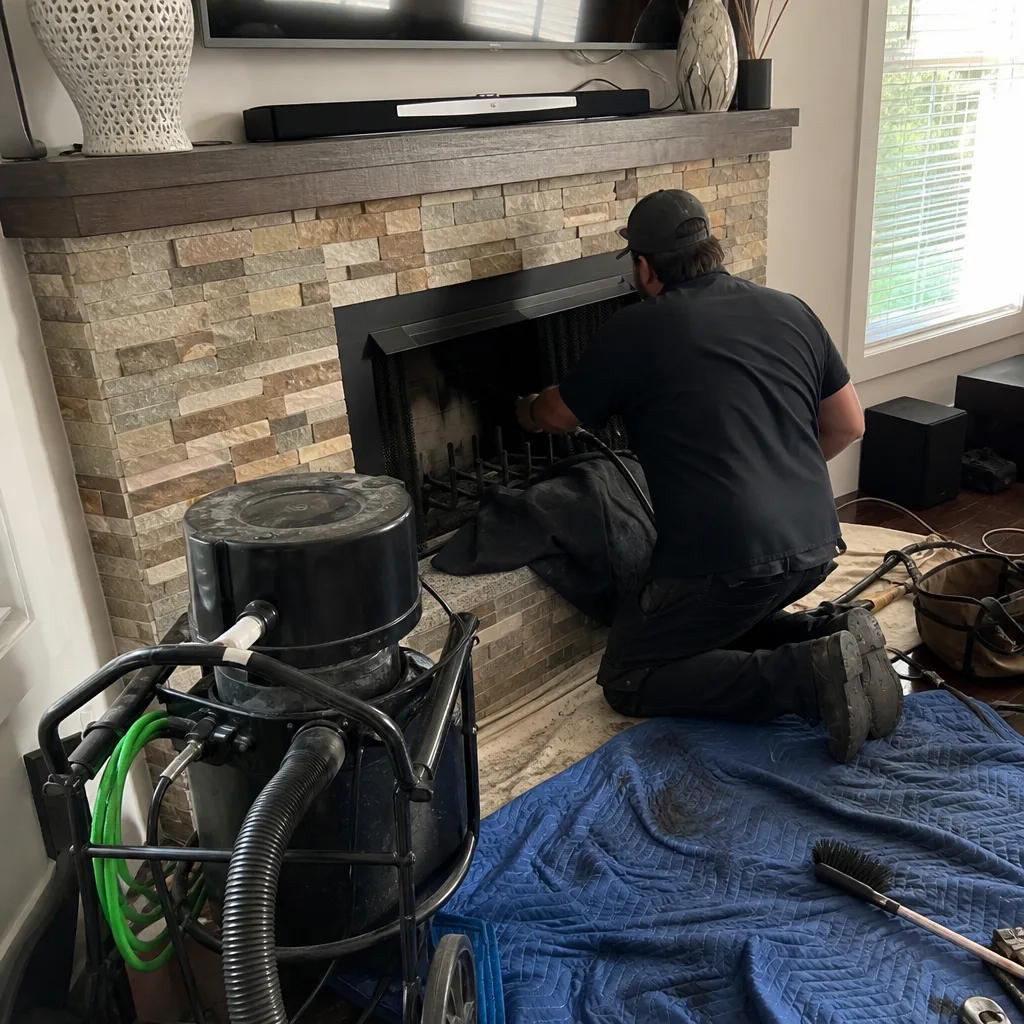
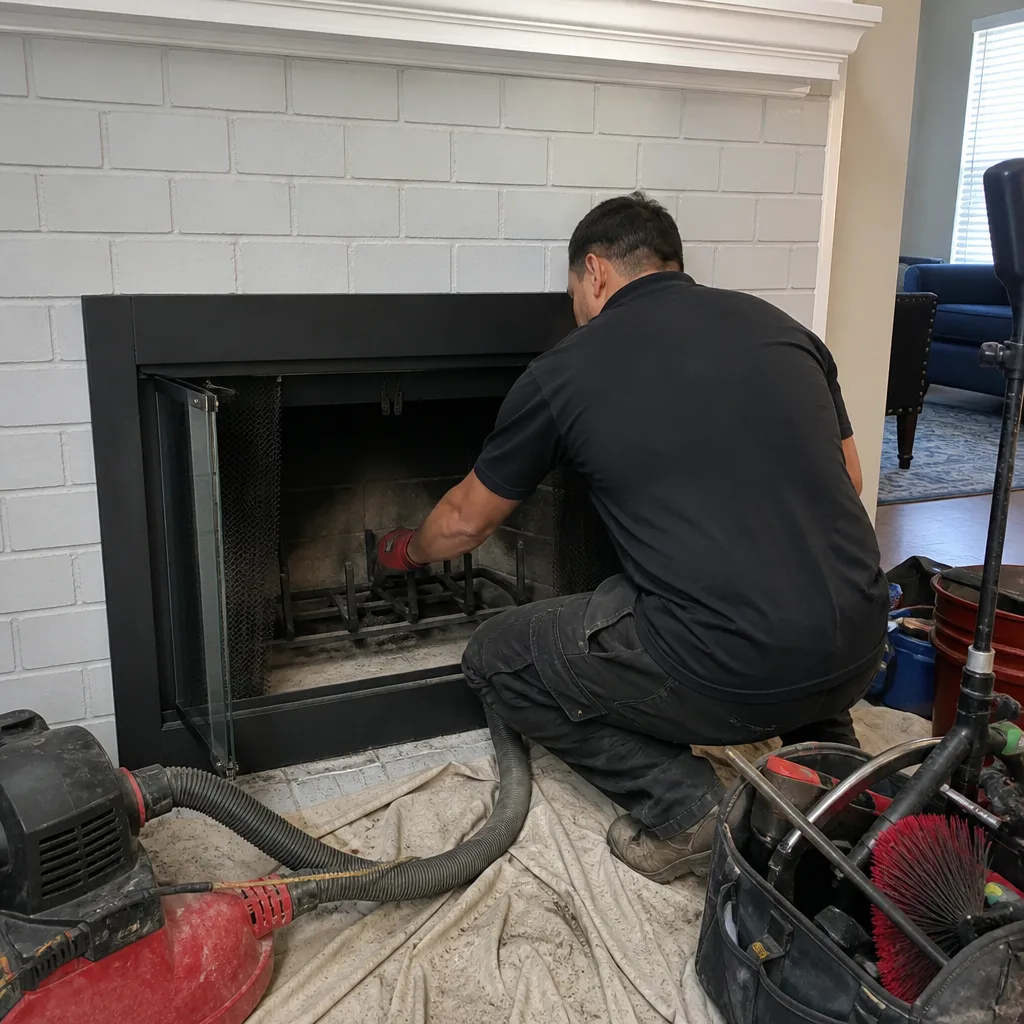
For a deeper breakdown of what a sweep actually involves, see our Chimney Sweep in Orlando page. The short version: a certified technician runs brushes through the flue to remove creosote, vacuums the firebox, checks the liner with a camera, and leaves the area with shoe covers and drop cloths protecting your floors throughout the visit.
February Checklist: Mid-Season Safety Check
By February, the Orlando burn season is at its peak. Families have been lighting fires since Thanksgiving, and creosote has accumulated. The reminder is not to panic. It’s that the burn window in Central Florida is short and intense, which means creosote builds faster per unit of use than in a slow-burning northern climate where fires run low and steady all winter.
February’s checklist is about confirming safety during active use:
- Look for visible creosote buildup in the firebox and at the damper. Creosote appears as a black, tar-like coating or a flaky, porous layer. If you see shiny, glazed creosote, stop using the fireplace and schedule a sweep. Glazed creosote is the most combustible form and indicates a smoldering, inefficient burn.
- Check for smoke entering the room. A properly drafting chimney pulls smoke up and out. If you see smoke rolling back into the room, the flue may be obstructed, the damper may not be open far enough, or negative pressure in the home may be overwhelming the draft. This is a professional evaluation item, not a DIY fix.
- Inspect the masonry exterior after any heavy rain. February in Orlando can bring drenching frontal systems. After a soaking rain, walk around the chimney and look for dark streaks, water staining, or new efflorescence. These signs indicate water is actively getting in.
- Test the carbon monoxide detector again. Mid-season is when CO detectors do their most important work. Change batteries if they’ve been tested heavily or if the device is more than seven years old.
- Clean ash from the firebox. Let ash cool for at least 24 hours, then remove it. A clean firebox gives a clearer view of the brick and any developing cracks. Never use a household vacuum for fine ash; a dedicated ash vacuum or a metal scoop and bucket is the safe method.
If the February check turns up anything questionable, a mid-season sweep is always cheaper than the repair that comes after a chimney fire. And a repair is always cheaper than a house fire. The math is simple.
April Checklist: Post-Season Close-Up
Most Orlando homeowners stop using the fireplace by early March. By April, the burn season is done, and the long dormancy begins. April is when the chimney gets “closed up” properly, and doing this right prevents most of the problems that show up in June or October.
Here is what a proper Orlando post-season close-up looks like:
- Schedule a post-season sweep if burn usage was heavy. If the fireplace ran several nights a week through December, January, and February, the creosote layer built up during that stretch. A post-season sweep removes that creosote before the humid summer air turns it acidic against the flue liner. This is the step that most Orlando homeowners skip, and it’s the one that most extends the life of the chimney.
- Close the damper and verify the seal. The damper should close completely, with no visible light gap around the edges when you shine a flashlight up from the firebox. In Florida, the damper is your primary defense against humid outdoor air entering the home through the flue. A damper that doesn’t seat means months of slow moisture intrusion.
- Install a chimney balloon or damper cap if humidity is a recurring issue. For homes where a rusting damper or persistent humid draft is a problem, a chimney balloon (an inflatable plug inserted below the damper) or a top-sealing damper can block the air exchange entirely. This is a worthwhile investment in Orlando’s climate, where the air you’re blocking is carrying 70% relative humidity.
- Wipe down the firebox and glass doors. Remove any remaining ash, wipe down the glass, and leave the firebox clean. Creosote residue left on glass becomes baked-on over the summer.
- Take end-of-season photos. This gives you a clean baseline for comparison in October, before the next burn season starts.
For a complete inspection to document the end of the season, see our Chimney Inspection in Orlando page. A Level 1 inspection in April is a smart way to close out the season knowing what condition the chimney is heading into summer with.
Damper Seals as a Humidity-Control Task
In cold climates, a damper is about heat retention. An open damper lets warm household air escape up the flue, so homeowners are trained to close it between fires. In Orlando, the damper does something more important during the months when no fire ever gets lit: it blocks humid outdoor air from flowing into the home through the chimney.
Here’s the physics. Warm, humid air rises and presses against every opening in the building envelope. The flue is an open vertical channel from the fireplace to the roof. If the damper doesn’t seat fully, humid Florida air siphons slowly through that channel and into the living space. Over a six-month summer, that adds up. It shows up as higher air conditioning loads, musty odor near the fireplace, and moisture damage in the flue itself.
We’ve tested dampers in Orlando homes where the gap between the damper plate and the frame was no wider than a credit card. That small gap allowed a continuous air exchange that kept the fireplace smelling stale all summer and added measurable humidity to the room. The fix in some cases was a simple damper adjustment. In others, it was a top-sealing damper installed at the top of the flue, which seals with a gasket and blocks air movement completely.
If you’re not sure whether your damper is sealing, here’s the home test. Close the damper, then in the firebox, look up with a flashlight. If you can see any light around the edges of the damper plate, air is moving through that gap. Make a note of it for your next inspection. A chimney inspection with a camera will document the exact condition of the damper seat.
Documenting Chimney Condition with Phone Photos
Every Orlando homeowner should keep a simple photo record of their chimney. Not because photography replaces inspection, but because a photo provides a baseline. When a contractor tells you the liner is cracked or the crown is failing, you want to know if that condition was there last year or appeared this year. Without a baseline, you’re taking the contractor’s word for the timeline, which is exactly the position no homeowner wants to be in.
Here is a simple photo protocol that takes five minutes per season:
- Stand at ground level and photograph the chimney cap and crown from two angles. Use your phone’s zoom to capture the cap, screen, and crown from a position where you can see the top of the chimney clearly.
- Photograph the flashing from the nearest roofline point of view you can safely reach. If you can’t see the flashing from the ground, take the photo from an upper window or across the yard. Do not climb onto the roof for a photo.
- Photograph the firebox interior with a flashlight. One photo of the back wall, one of the left side, one of the right side, one of the floor. These are the photos that show spalling, cracking, and moisture staining over time.
- Photograph the damper from below with the flashlight. Open and closed positions both help establish whether the mechanism is changing over time.
- Save the photos in a folder with the date in the filename. Something like
Chimney-firebox-April-2025.jpg. Three seasons of photos will tell you more about the rate of change than any single inspection.
This documentation matters in Orlando specifically because the summer wet season causes slow, incremental degradation. Efflorescence appears gradually. A hairline crack widens over two years. When you have photos, you can see the change and act before it becomes a structural problem. When a contractor recommends work, you can pull up your photos and ask for the camera images that confirm the recommendation. That’s the conversation that separates an honest inspection from an upsell.
DIY Visual Checks vs. Certified Sweep with a Camera
Not every chimney task requires a professional. Some tasks are visual checks any homeowner can do from the ground or the hearth. Others involve climbing on the roof, working with chimney internals, or assessing liner condition, and those are firmly in the professional category. The boundary line is safety and equipment.
Safe DIY visual checks:
- Ground-level inspection of the chimney cap, crown, and exterior masonry with binoculars or a phone zoom
- Firebox inspection with a flashlight: looking at the brick, mortar joints, and damper plate
- Damper open/close operation testing from the firebox
- Carbon monoxide detector testing and battery replacement
- Clearing the hearth area and removing cool ash
- Photo documentation of all of the above
Tasks that require a certified sweep with a camera:
- Flue liner inspection for cracks, gaps, or deterioration (the liner is not visible from the firebox)
- Creosote removal inside the flue
- Assessment of smoke chamber condition
- Any work that requires roof access
- Damper seat evaluation and repair
- Any time you suspect animal entry, since nests and carcasses can be trapped in the flue and require PPE to remove safely
We want Orlando families to be confident about what they can see and honest about what they can’t. The camera inspection is the standard that separates a real answer from a guess. When we sweep a chimney, the camera goes through the flue and the homeowner sees the footage. If the liner is fine, you see that. If it’s not, you see that too, and we can point to the exact frame on the screen. That’s the standard you should expect from any chimney company you hire.
Common Mistakes to Avoid
- Skipping the post-season sweep because the fireplace “isn’t being used anymore.” In Orlando, the post-season sweep is the most important one of the year. Creosote left in the flue through the humid summer turns acidic and corrodes the liner. A spring sweep is cheaper than a new liner.
- Using a generic online checklist that assumes a cold-winter burn season. Minnesota advice doesn’t apply to Central Florida. If the checklist doesn’t mention hurricane season or humidity, it wasn’t written for your climate.
- Assuming the damper is closed because the handle moved. The handle can operate while the damper plate remains partially open due to rust or warping. Verify with a flashlight, not the handle position.
- Trusting a visual inspection alone when making a repair decision. A firebox photo and a ground-level glance cannot see inside the flue. No camera, no complete answer. Insist on camera documentation before approving liner or masonry work.
- Leaving the damper open over the summer for “airflow.” The airflow you’re getting is humid outdoor air entering the home. That’s not ventilation. That’s moisture loading, and it shows up in the AC bill and the masonry.
- Ignoring efflorescence as a cosmetic issue. White mineral staining on the firebox brick or exterior masonry is water moving through the chimney. It’s the early warning sign of structural deterioration. Cosmetic today, expensive in three years.
- Burning unseasoned wood because it’s what’s available. Green wood smolders and produces heavy creosote quickly. In Orlando’s short, intense burn season, unseasoned wood accelerates creosote accumulation faster than in any northern climate because fires run hot and the flue never gets a long, slow drying cycle.
When to Call a Professional
Call a professional when you see glazed or shiny creosote in the firebox or around the damper, when smoke rolls back into the room instead of drafting up, when you see water staining on the ceiling or walls near the chimney after rain, when the damper won’t fully close, or when you find signs of animals in the flue (sounds, droppings, nesting material). These are not home-inspector items. They’re technician items.
If you’re in Orlando and you’ve spotted any of these conditions, Kindling Chimney Orlando offers free estimates throughout Orlando and the surrounding area. Call (850) 940-3442 and a live person will answer, no voicemail tree. We’ll schedule a visit, inspect the chimney with a camera, and give you a written price before any work starts. You’ll see the footage yourself and decide from there.
For a full breakdown of what we look at during an inspection, see our Chimney Inspection in Orlando page. If the issue involves the fireplace itself, our Fireplace Repair in Orlando page covers common repairs and what they cost.
Frequently Asked Questions
A standard chimney sweep in Orlando typically costs between $150 and $300 for most homes, depending on flue size, creosote buildup, and accessibility. Homes with heavy glaze, animal removal, or second flues will run higher. At Kindling Chimney Orlando, you’ll receive a written price before any work begins, so the number doesn’t change after the fact. Call (850) 940-3442 for an exact quote on your home; estimates are free.
Chimneys in Orlando should be swept at least once per year, and twice per year is better for homes that use the fireplace heavily during the short burn season. The ideal schedule is a pre-season sweep in October and a post-season sweep in April. The pre-season sweep clears summer debris and the previous season’s creosote. The post-season sweep removes the current season’s buildup before summer humidity turns it acidic against the flue liner.
You need a new liner if a camera inspection shows cracking, gaps, spalling, or corrosion. You don’t need one because a contractor says you do without showing you footage. The liner is the most expensive single repair most chimneys will ever need, and the recommendation should always come with camera evidence you can see yourself. At Kindling Chimney Orlando, the camera footage is part of the inspection. If the liner is fine, we’ll tell you to wait. If it’s not, you’ll see exactly where and why.
Skipping maintenance in Orlando means creosote builds up through the burn season, then sits in the flue through the humid summer, turning acidic and corroding the liner. Moisture intrusion goes undetected in the crown, flashing, or masonry, and the damage compounds over the long dormancy. The end result, years later, is a liner replacement or masonry rebuild that costs thousands, where a $200 annual sweep would have prevented it. The cost of maintenance is predictable. The cost of deferred maintenance is not.
You can document your chimney condition with a phone camera, and you should. What you can’t do is inspect the interior of the flue, the smoke chamber, or the damper seat with a phone. Those areas aren’t visible from the firebox or the ground. A certified sweep uses a chimney camera on a cable to see the full liner. Your photos establish a baseline; the camera establishes the actual condition. Both matter, but they answer different questions.
Hurricane season affects the chimney through wind-driven rain, debris impact, and pressure differentials that force water through small gaps. A chimney cap that’s loose or damaged becomes a water entry point. A cracked crown channels rain into the masonry. Flashing that’s lifting allows water under the roofline. These conditions exist year-round but become active leak points during hard rain events. The June checklist catches them before the August and September peak.
The Bottom Line
Orlando homeowners need a chimney maintenance plan that fits Orlando’s calendar, not a northern one. The rhythm is: June storm prep before hurricane season, October sweep and inspection before burn season, February mid-season safety check during peak use, and April post-season close-up before summer humidity settles in. The damper matters most as a humidity barrier. The camera inspection is the standard for any real recommendation. Photos create the baseline that protects you from unnecessary work. And the single most important habit is the post-season sweep, because in Orlando, the damage happens when the fire is out and the air is wet.
If you’re not sure where to start, call Kindling Chimney Orlando at (850) 940-3442. A live person answers, day or night. We’ll help you figure out where your chimney is in the calendar and what it needs, without pressure and without surprises. Start with our Kindling Chimney Orlando home page to see all the services we offer, or jump straight to Chimney Sweep in Orlando to book a sweep.
Written by Danny Cortes, Owner at Kindling Chimney Orlando, serving Orlando since 2003.
See the difference
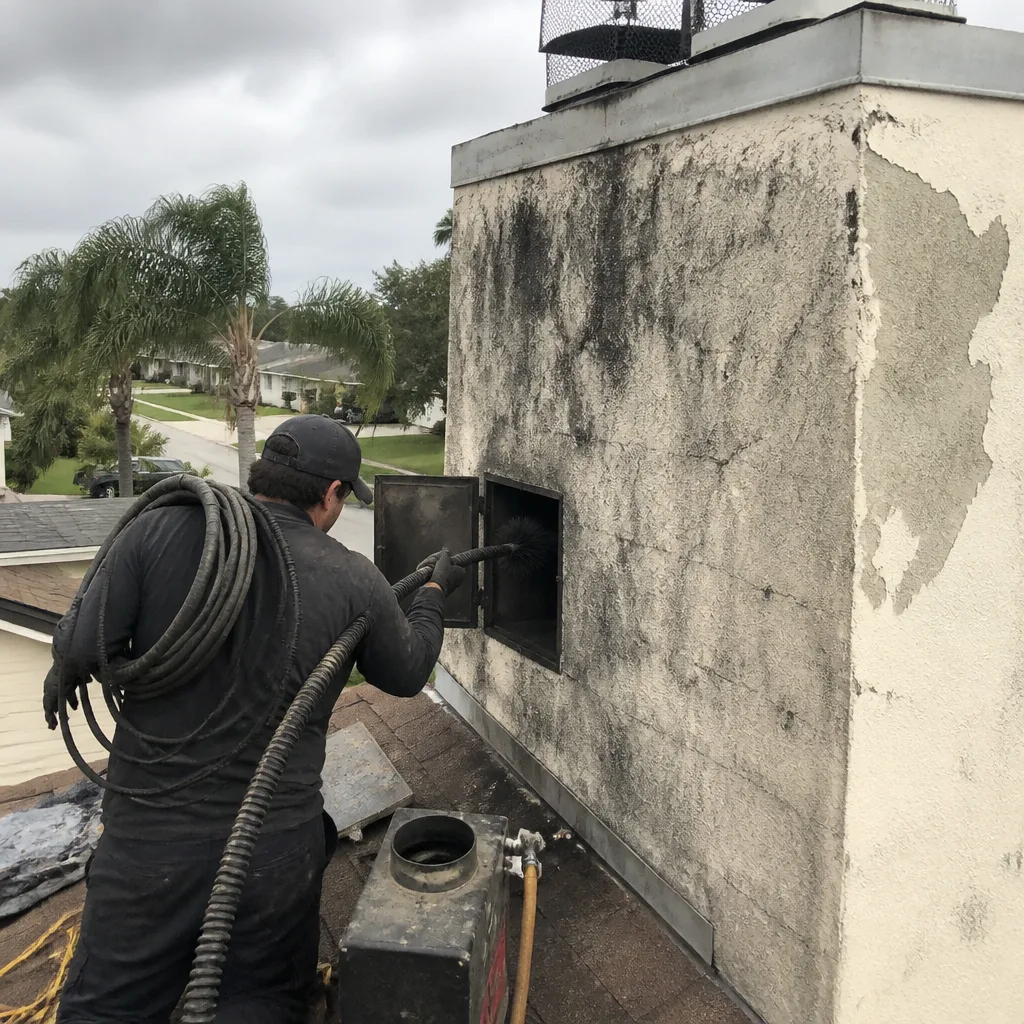 Before
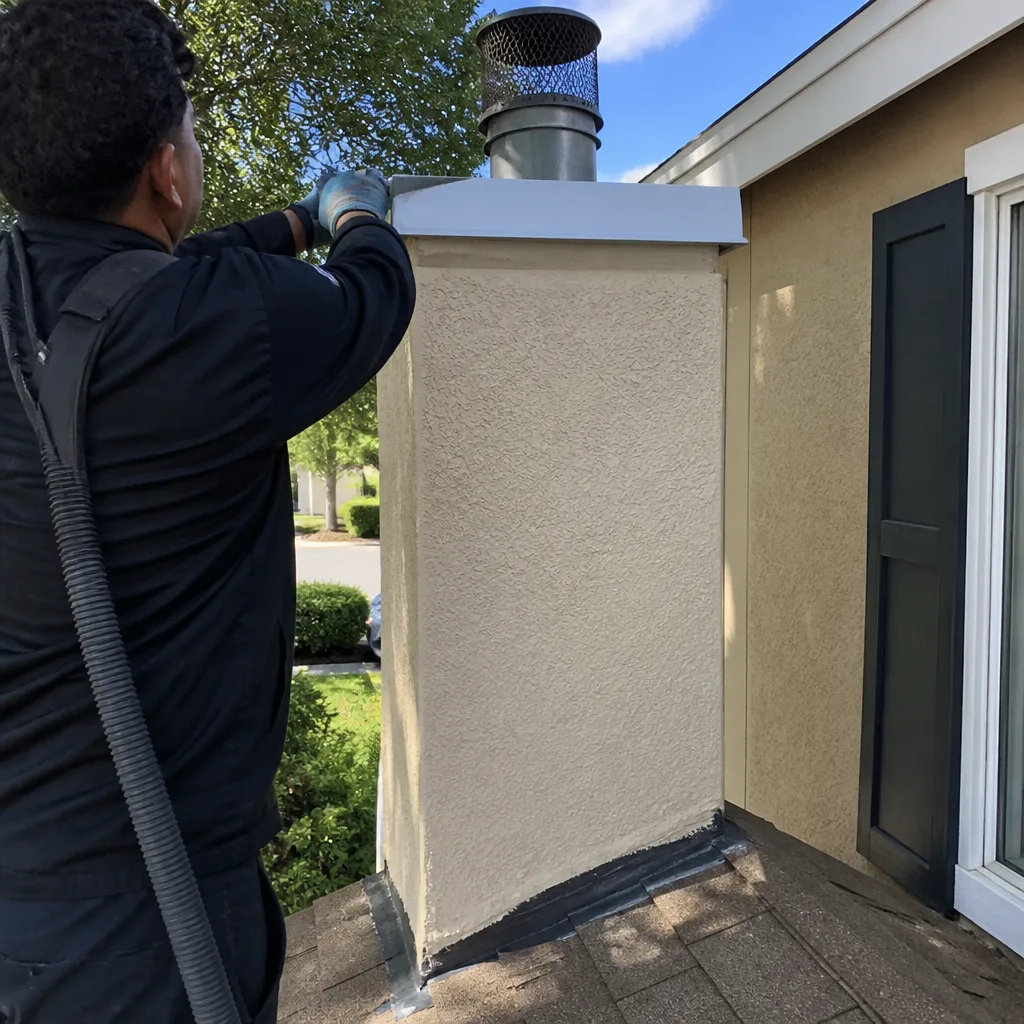 After
After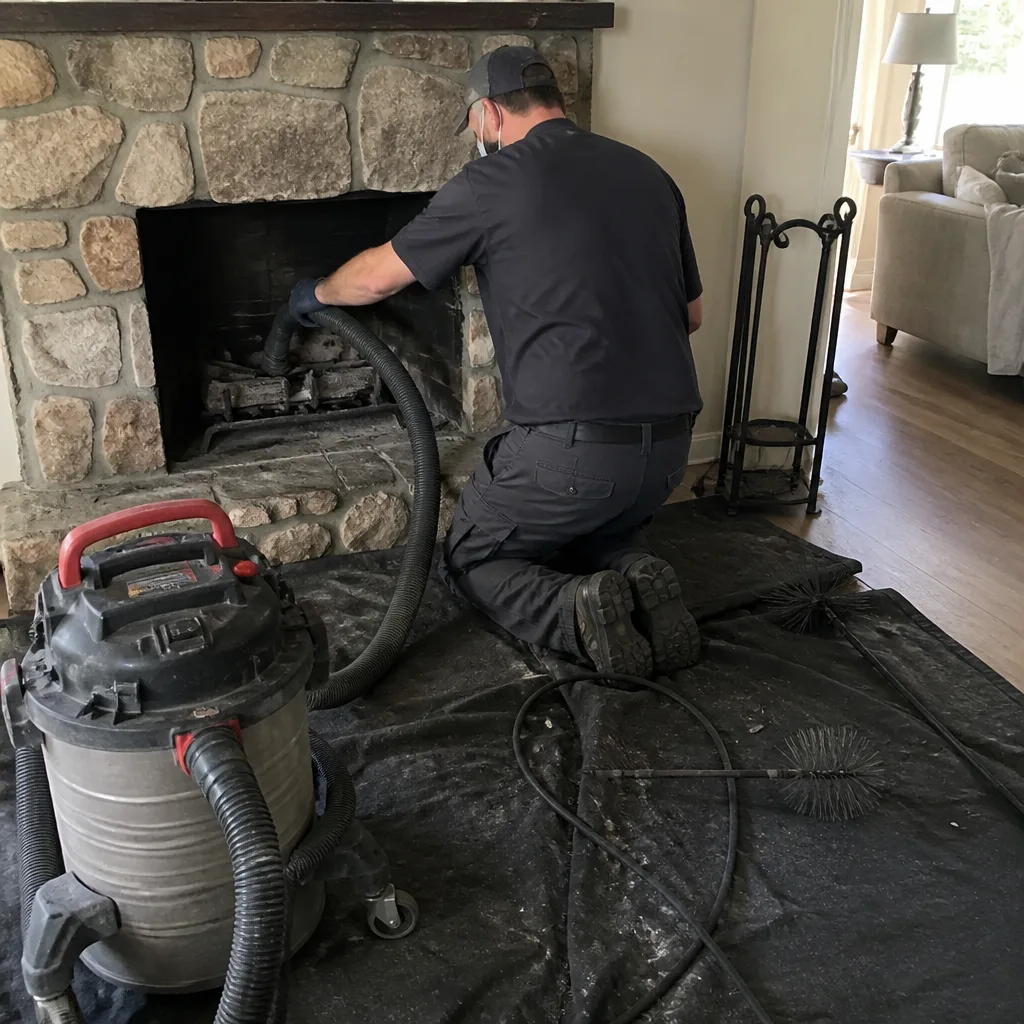 Before
 After
After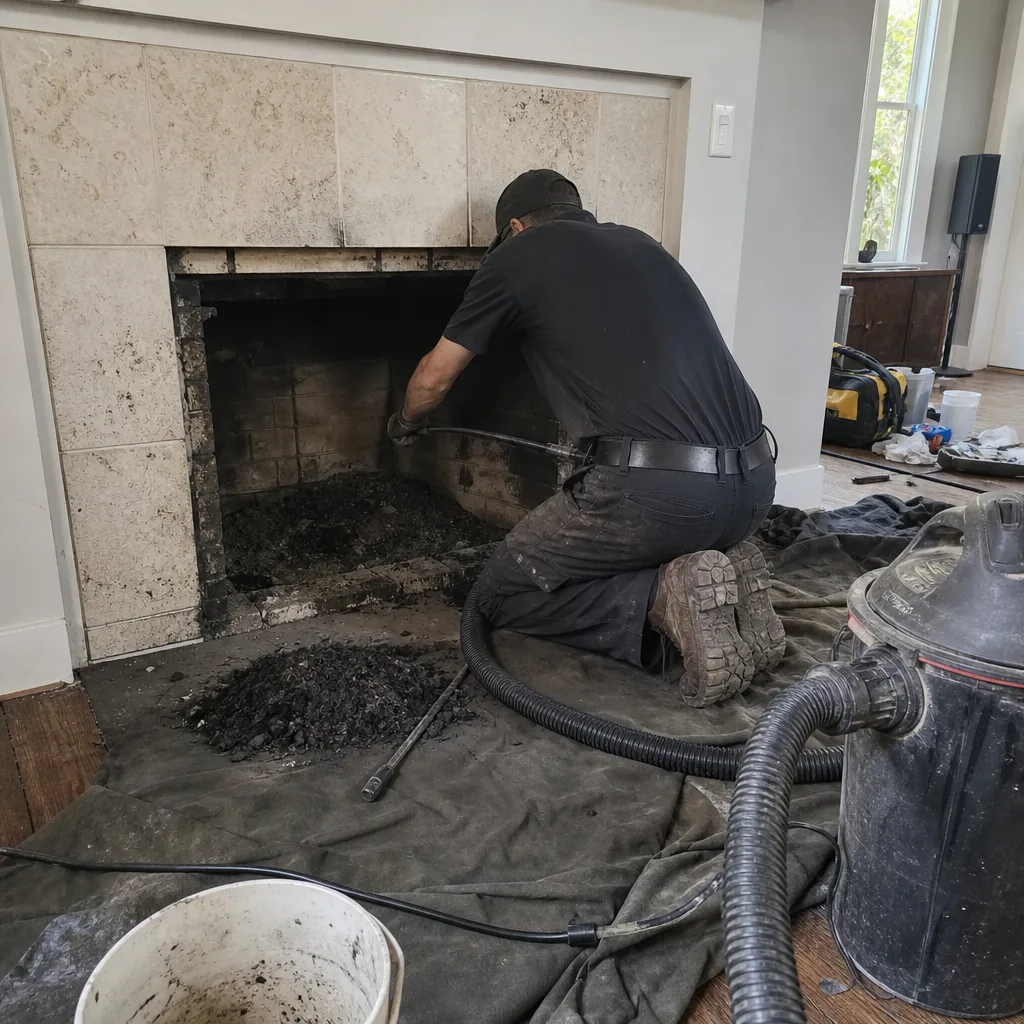 Before
 After
After