
Last updated October 15, 2026
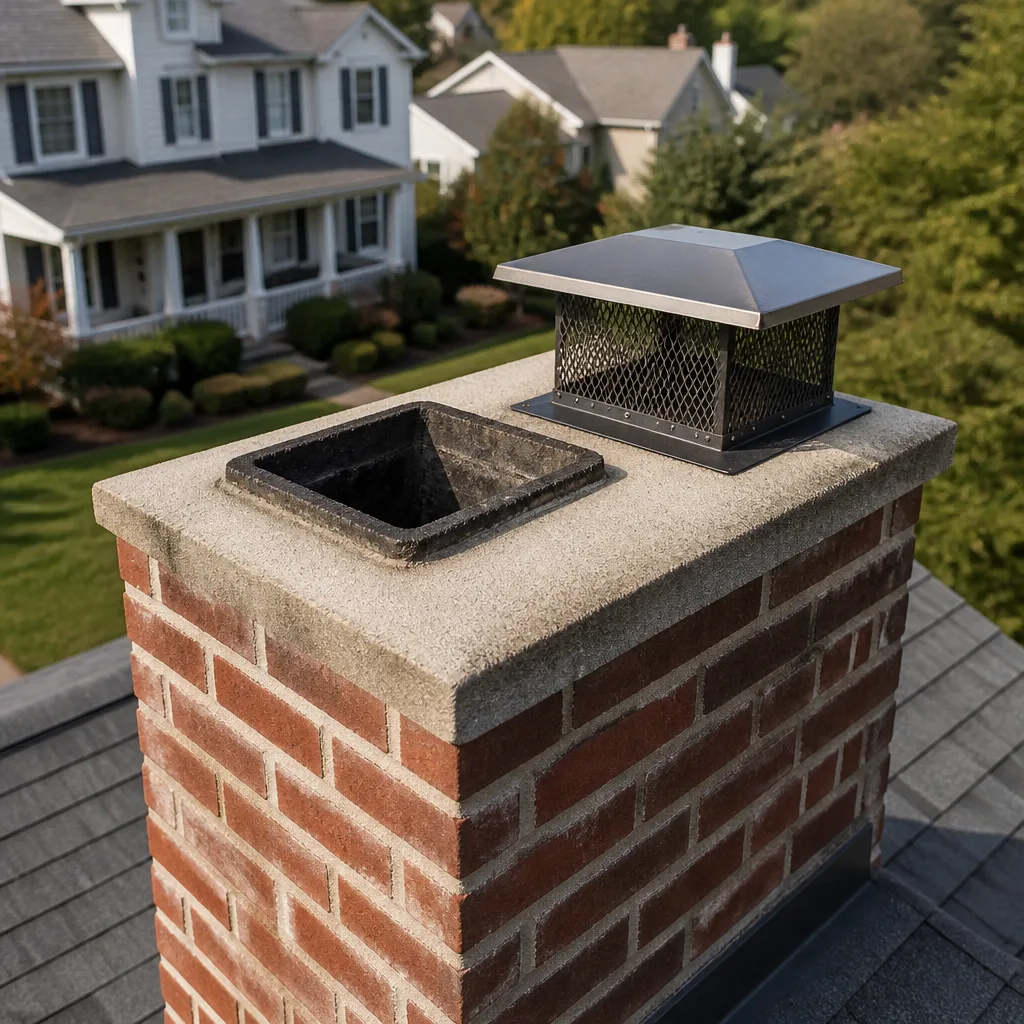 Sweep & inspection
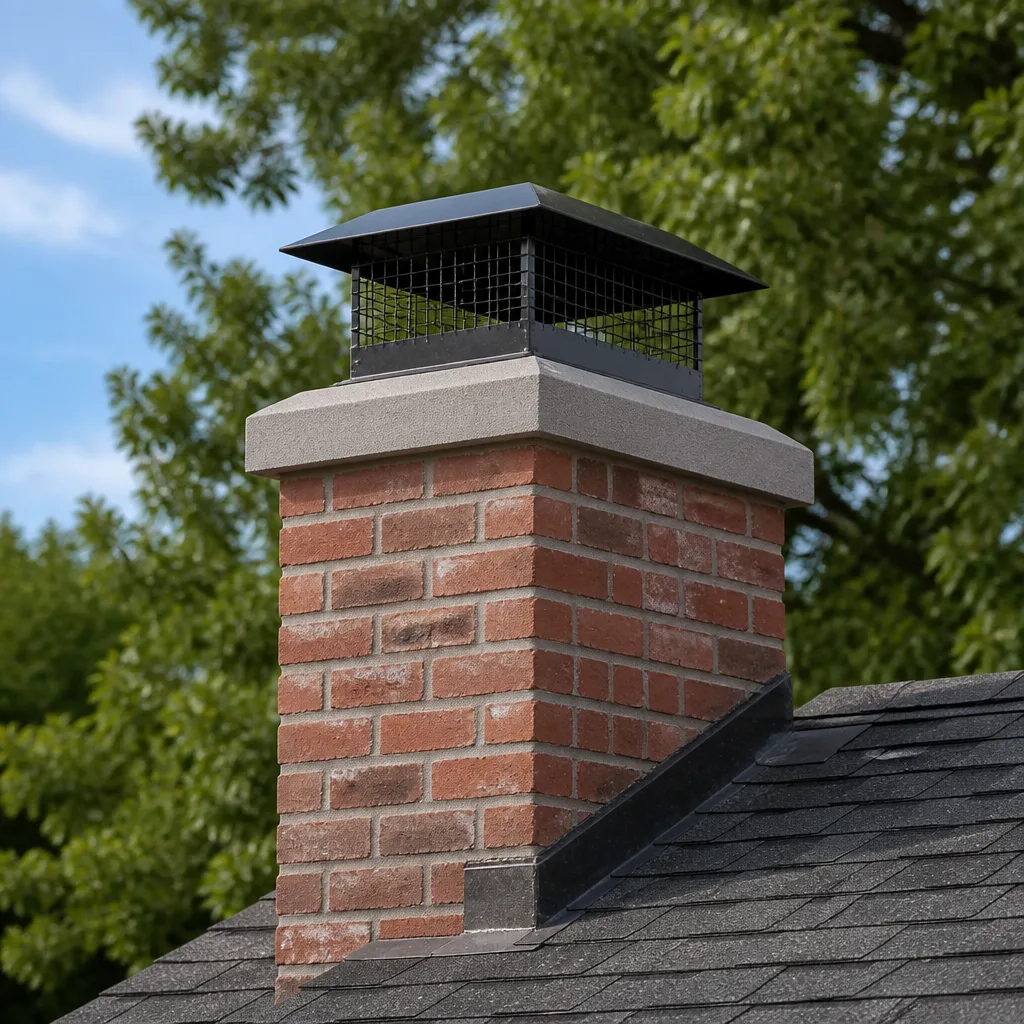 Caps & crowns
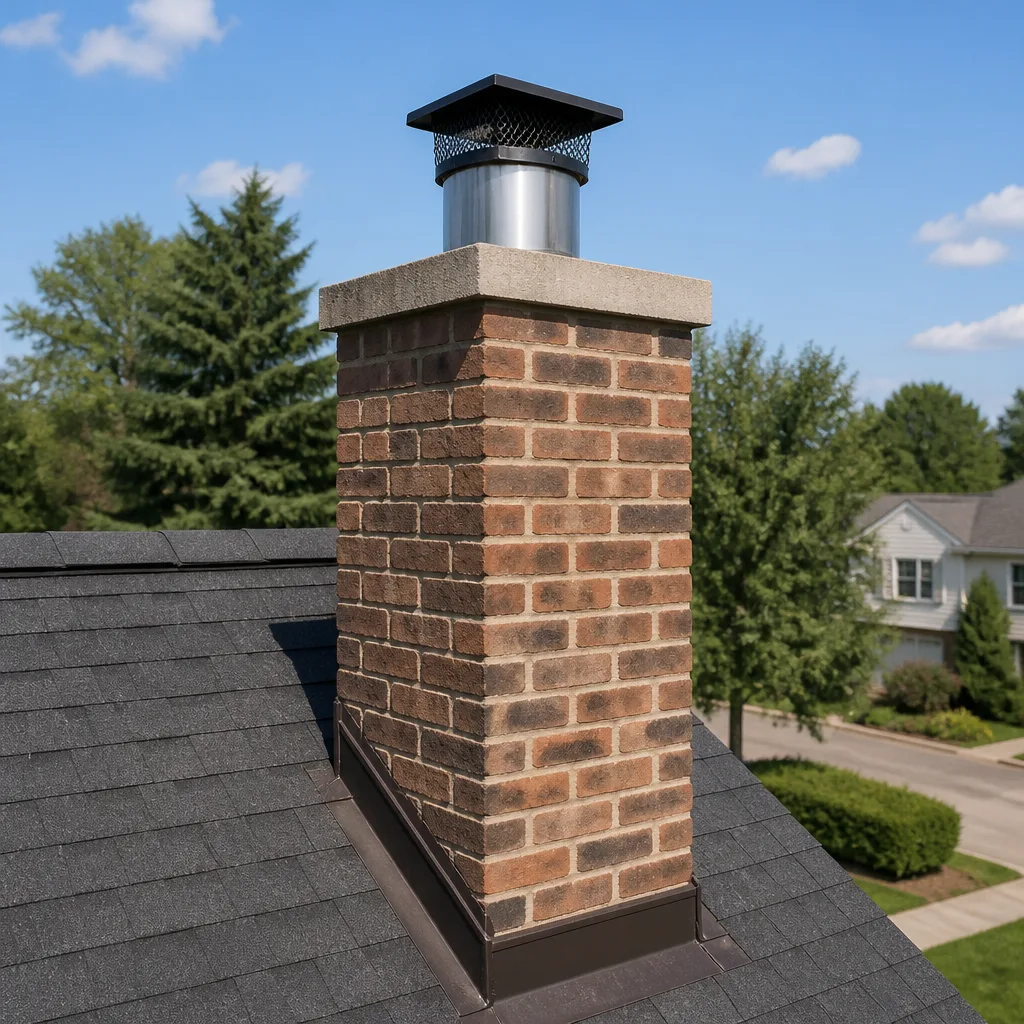 Flue relining
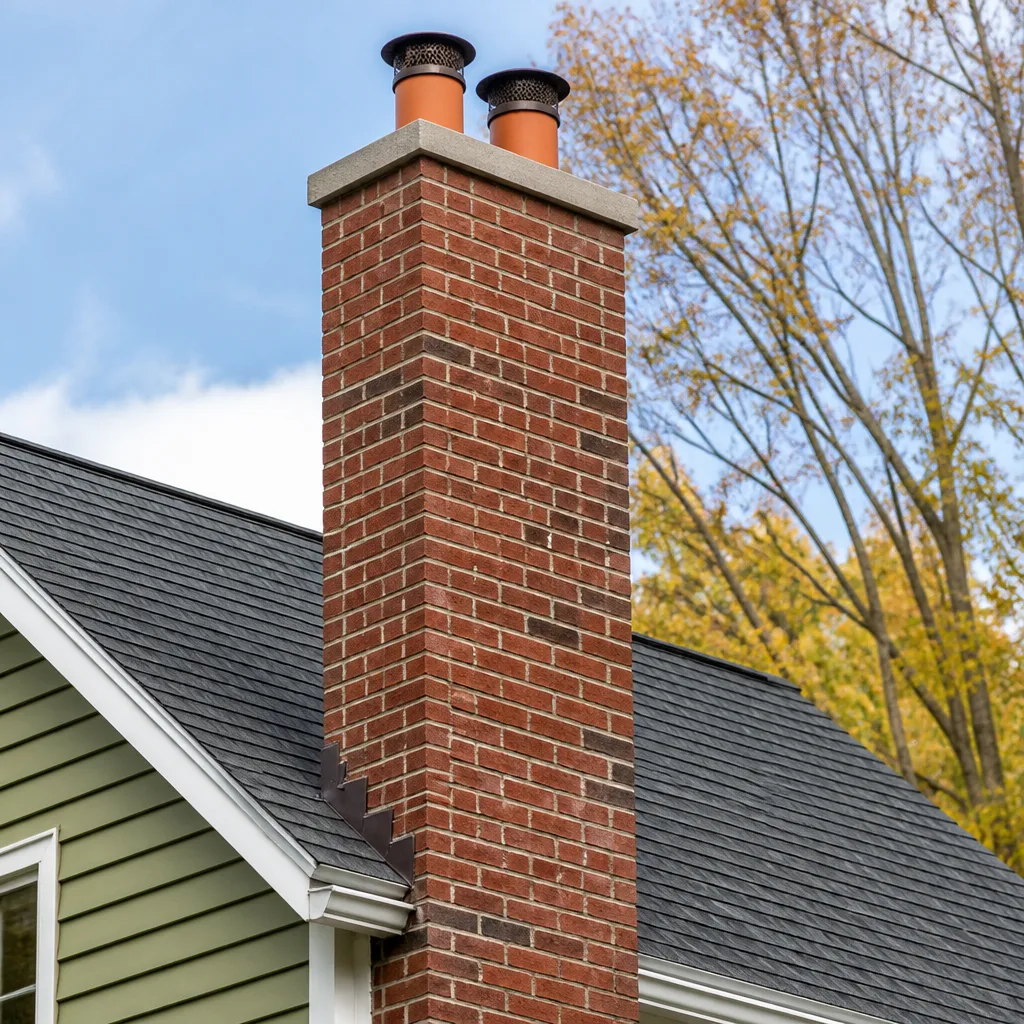 Masonry repair
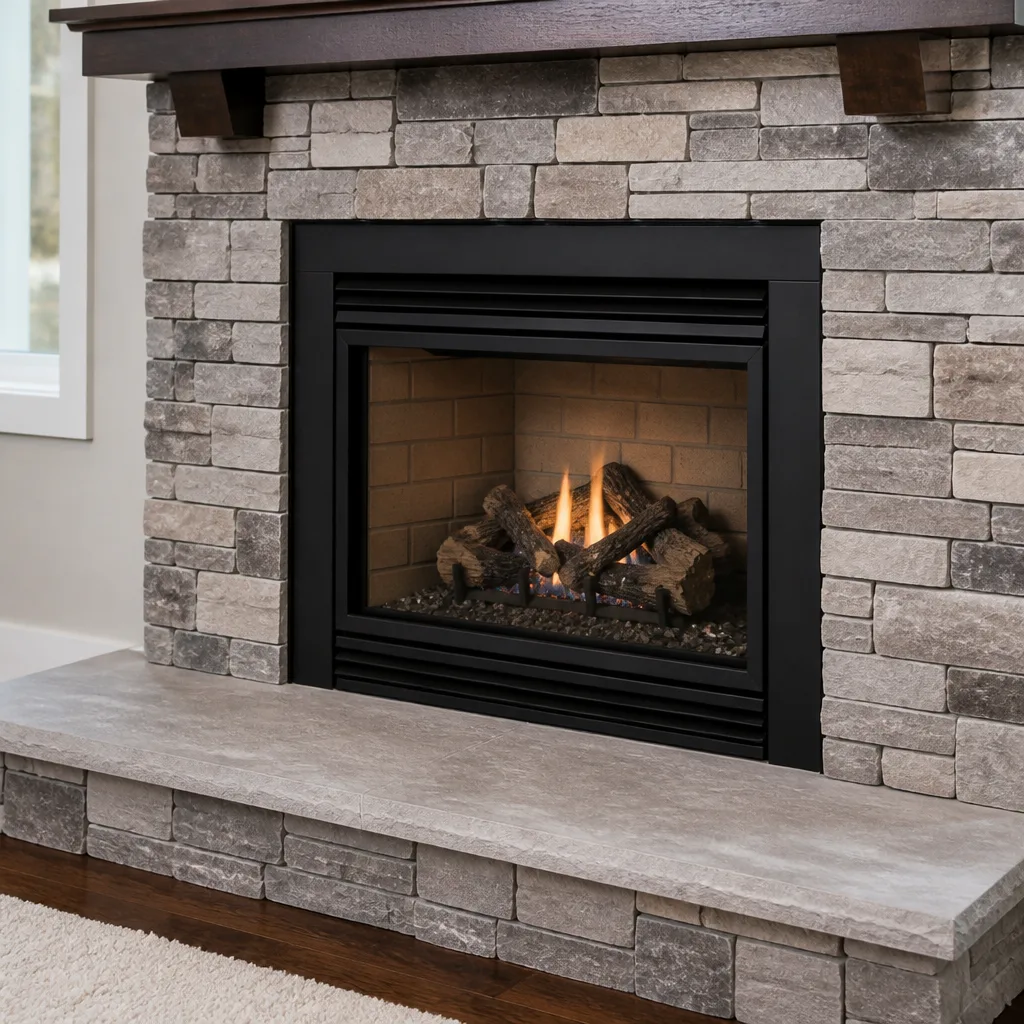 Gas fireplace service
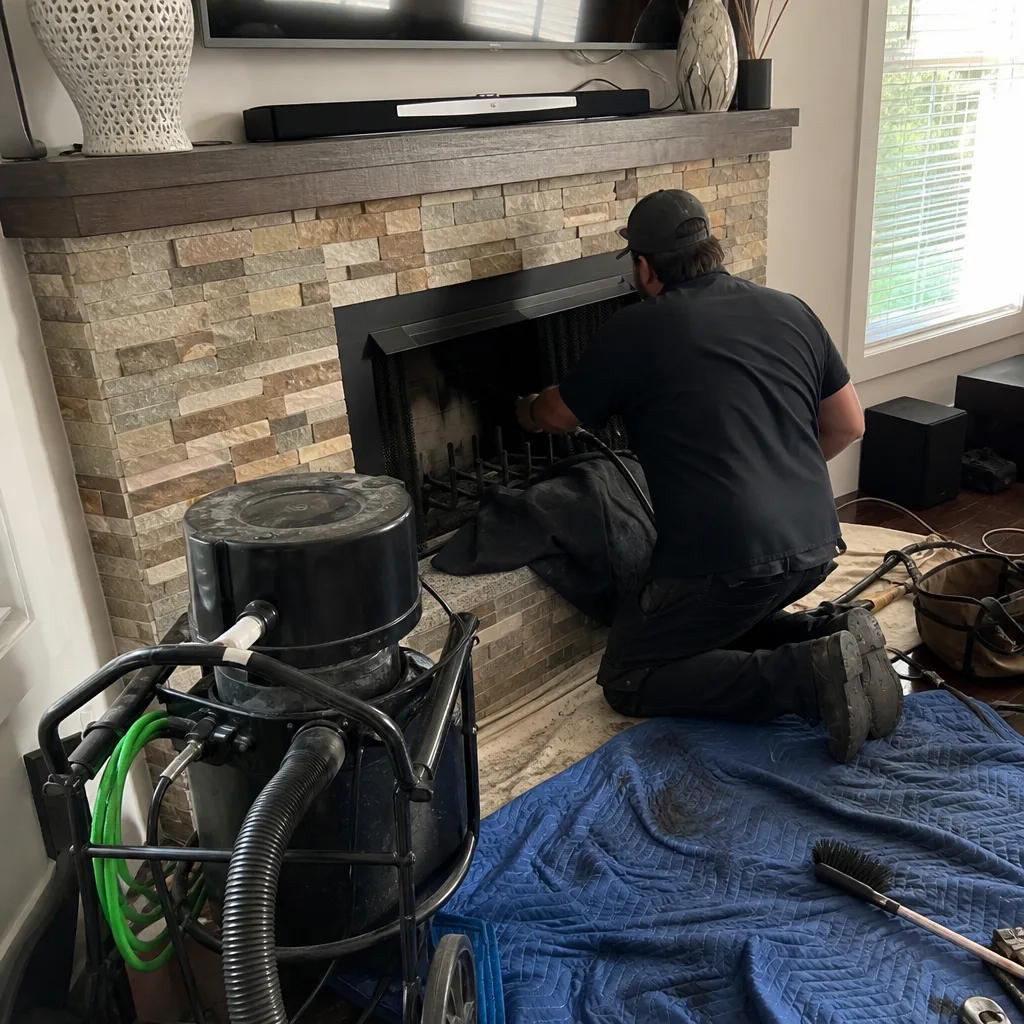
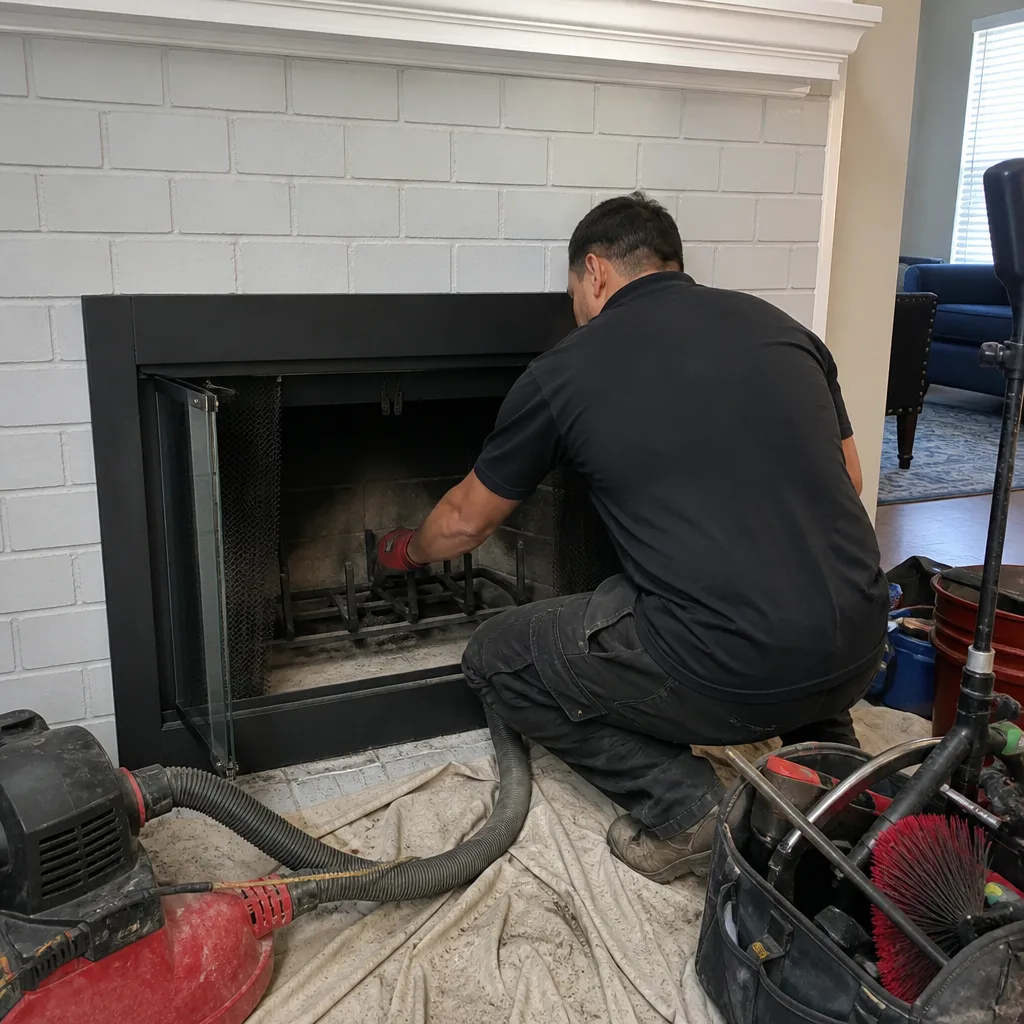
Level 1 sweep and inspection to the NFPA 211 annual standard - flue, crown, cap, and flashing checked and photographed
Chimney sweep logs do not sweep chimneys. They loosen some creosote - which then falls where a brush and vacuum still have to collect it.
Chimney Cleaning Warning Signs: A Orlando Homeowner’s Reference Guide
Most chimney warning sign articles read like a copy-paste job from a national template: “smoke in the room,” “white staining,” “burning smell.” They never tell you why these things happen in a Florida home specifically, or which signs mean “keep an eye on it” versus “call someone this week.” That generic approach leaves Orlando homeowners either panicking over nothing or ignoring a real problem until it becomes expensive. This guide names eight warning signs, explains the Florida-specific cause behind each one, ranks them by urgency, and tells you exactly what a technician should do about it. For a deeper dive into keeping your system safe year-round, see our Chimney Sweep Maintenance Checklist for Orlando Homeowners. We’ve written it from the perspective of a chimney company working in Orlando’s humidity, heat, and occasional cold snaps.
Styles & brands we work with
Quick Answer
A musty smell from your fireplace in summer, white crust on exterior brick, or smoke drifting backward into the room are the three warning signs Orlando homeowners should never ignore, because each one points to a different underlying problem: mold or animal decomposition in the flue, moisture intrusion, or a blocked chimney. A standard cleaning won’t fix the first two. You need a camera inspection to find the actual cause before anyone touches a brush.
Table of Contents
- Warning Sign 1: A Musty, Damp Odor Coming From the Fireplace
- Warning Sign 2: White, Chalky Crust on Exterior Brick
- Warning Sign 3: Flaking or Crumbling Brick (Spalling)
- Warning Sign 4: Smoke Drifting Back Into the Room
- Warning Sign 5: A Damper That Sticks, Rattles, or Won’t Fully Open
- Warning Sign 6: You Can See Daylight From Inside the Firebox
- Warning Sign 7: Dark, Oily Staining on the Firebox Walls or Damper
- Warning Sign 8: A Carbon Monoxide Alarm That Trips When the Fireplace Is Used
- How to Do a Five-Minute Visual Check With Your Phone Flashlight
- What to Document Before You Call a Chimney Company
- Common Mistakes to Avoid
- When to Call a Professional
- Frequently Asked Questions
- The Bottom Line
Warning Sign 1: A Musty, Damp Odor Coming From the Fireplace
A faint musty smell from your fireplace in July isn’t a minor annoyance. In Orlando’s humidity, it’s often the first indicator of active mold growth or animal decomposition inside the flue. Both require a different response than a standard cleaning, and both are common in Central Florida for reasons that have nothing to do with how often you use your fireplace.
Florida-specific cause: Orlando’s average relative humidity hovers between 70% and 80% for much of the year. Chimneys are essentially vertical tunnels that trap moisture. When warm, humid air rises into a cool flue, condensation forms on the interior walls. That moisture, combined with creosote residue (which is organic and porous), creates a perfect environment for mold. We also see raccoons, squirrels, and birds nesting in Orlando chimneys year-round, and when an animal dies in the flue, the smell is distinct: it starts sweetish and turns acrid within days.
Risk level: Moderate, but time-sensitive. Mold spores circulating into the home affect indoor air quality, especially for children and anyone with allergies. An animal carcass can attract insects and create a biohazard that requires more than a sweep.
What a technician should do: The first step is a Chimney Inspection in Orlando with a camera run through the flue. The camera shows whether the odor source is mold, an animal, or trapped debris. If it’s an animal, we remove it, clean the flue, and discuss installing a properly fitted cap with mesh sides to prevent re-entry. If it’s mold, the chimney needs a cleaning first, then a follow-up assessment of whether a moisture barrier or crown repair is needed to stop the condensation cycle. A sweep alone won’t kill mold; it just removes the surface layer.
Warning Sign 2: White, Chalky Crust on Exterior Brick
That white, powdery deposit on your chimney’s exterior brick is called efflorescence, and in Orlando it’s one of the most misunderstood signs in all of chimney maintenance. It’s not a cleaning issue. It’s a moisture issue, and it tells you water is moving through the masonry.
Florida-specific cause: Efflorescence forms when water seeps into brick, dissolves the natural salts inside the mortar and clay, and carries them to the surface. When the water evaporates in Orlando’s heat, the salts remain behind as a white crust. The cycle repeats with every rain and every humid stretch. Homes near Lake Eola, Conway, or any of Orlando’s lakes often see efflorescence faster because ambient humidity stays elevated near the water.
Risk level: Low in the short term, but a warning sign of progressive damage. Efflorescence itself is cosmetic. The water movement behind it is not. Every wet-dry cycle weakens mortar joints, and within a few years you can see cracking, spalling, and interior leaks.
What a technician should do: A proper assessment starts with finding where water is entering. Common causes in Orlando include a cracked chimney crown, failed flashing where the roof meets the chimney, or a missing chimney cap. Once the entry point is sealed, the efflorescence can be cleaned off. Anyone who just scrubs the white stuff off without fixing the water entry is selling you a temporary fix. Our Fireplace Repair in Orlando work includes identifying and sealing the actual water entry point before any cosmetic cleaning, because that’s the only way the white crust stays gone.
Warning Sign 3: Flaking or Crumbling Brick (Spalling)
Spalling is what happens when water inside brick expands and contracts until the brick’s face literally pops off. You’ll see brick face slivers on the ground, pitted surfaces, or chunks missing from the chimney’s exterior. In Orlando, spalling is less common than in northern climates, but it does occur, and the cause is usually tied to two specific conditions.
Florida-specific cause: Orlando rarely freezes. But on those occasional January nights when the temperature dips below 32°F, water trapped in the brick freezes and expands by roughly 9%. That expansion creates micro-fractures. The next day’s warmth thaws it, the water seeps deeper, and the next freeze widens the fractures. Over several years, even infrequent freezes cause brick faces to fail. The other driver is sustained saturation: a chimney that never fully dries out because of Orlando’s humidity loses structural integrity from moisture cycling alone.
Risk level: High once it starts. Spalling brick is a structural problem, not a cosmetic one. A heavily spalled chimney can develop gaps that let water pour directly into the attic or wall cavity during Orlando’s afternoon thunderstorms.
What a technician should do: The damaged brick must be removed and replaced, and the source of the water saturation must be addressed. That typically means crown repair, flashing replacement, or a repointing job using mortar compatible with the existing joints. This is not a patch-and-paint job. If you’re seeing spalling, get a professional assessment before the next storm season.
Warning Sign 4: Smoke Drifting Back Into the Room
Smoke drifting into the room when you light a fire is the warning sign that prompts the most calls to Kindling Chimney Orlando home, and for good reason: it’s the most immediate sign that something is interfering with the chimney’s basic job of moving smoke up and out.
Florida-specific causes: Orlando homes face two main culprits. The first is a physical blockage: bird nests, squirrel nests, twigs, leaves, or accumulated creosote narrowing the flue. The second is negative air pressure, and this one is common in modern Florida construction. When a home is well-sealed and multiple exhaust fans run simultaneously (kitchen vent, bathroom fans, dryer), the house pulls air inward. If there’s not enough makeup air, the chimney becomes the path of least resistance, and smoke comes back down into the living room. We see this in newer subdivisions around Lake Nona and Horizon West where homes are built tight for energy efficiency.
Risk level: High while it’s happening. Smoke contains carbon monoxide and particulates. You shouldn’t keep using a fireplace that backdrafts even occasionally.
What a technician should do: A camera inspection determines whether there’s a blockage. If the flue is clear and the chimney drafts fine with windows open, the problem is negative pressure in the home, which is solved by adding makeup air or using a glass door with a dedicated air intake. If the flue is blocked, the fix is removal of the obstruction and often a new cap. Either way, the diagnosis comes from evidence, not guesswork. We show you the camera footage on the spot.
Warning Sign 5: A Damper That Sticks, Rattles, or Won’t Fully Open
A damper that fights you is more than annoying. It’s a corrosion signal, and in Orlando’s constantly humid air, corrosion moves faster on metal components than most homeowners realize.
Florida-specific cause: The damper sits directly above the firebox, exposed to heat when the fireplace runs and to humid air the rest of the year. Orlando’s summer humidity condenses on the cool metal after evening temperatures drop, and that moisture starts the rust cycle. Within a few years, the damper plate and its hinges can corrode enough to stick, rattle when wind moves through the flue, or fail to seat completely. A damper that doesn’t close fully is an energy leak: in summer, air-conditioned air escapes up the chimney, and in winter, heat does the same.
Risk level: Low to moderate. A sticky damper won’t cause a chimney fire, but it’s a sign that moisture control in the chimney is not working. Left unattended, the same moisture that corroded the damper will attack the flue liner next.
What a technician should do: During a Chimney Sweep in Orlando visit, we test the damper’s full range of motion and inspect the hinge points for rust. If the damper is salvageable, cleaning and lubrication usually restore function. If it’s too far gone, replacement is a straightforward job. We also check whether a chimney cap is doing its job of keeping rain out, because a cap failure is often the root cause of damper corrosion.
Warning Sign 6: You Can See Daylight From Inside the Firebox
If you kneel down and look up through the firebox and see daylight where you shouldn’t, something has failed. Either the damper is missing or broken, or the top of the chimney is wide open when it shouldn’t be. This one is easy to check and surprisingly common in Orlando homes.
Florida-specific cause: Chimney caps in Florida take a beating from UV exposure, afternoon thunderstorms, and wind-driven rain. A rusted-out cap or missing cap lets rain fall directly into the flue. Rain pools in the firebox, soaks into the masonry, and accelerates every other problem on this list. Seeing daylight also confirms that birds and squirrels have an open invitation, and in Orlando, they will take it.
Risk level: High if left unaddressed. An open chimney is a direct water inlet. Florida’s summer afternoon rain can dump an inch of water in an hour, and every inch that enters the chimney ends up in the firebox, the smoke shelf, or the masonry itself.
What a technician should do: The fix is a properly sized cap installed on a sound crown. We carry caps made by Copperfield, a manufacturer we use because their stainless steel and copper caps hold up to Central Florida’s humidity and UV exposure better than cheap imports. The installation includes sealing the crown and checking that the flue liner’s top is intact. A new cap pays for itself within a year or two, simply by keeping water out.
Warning Sign 7: Dark, Oily Staining on the Firebox Walls or Damper
Dark, shiny, tar-like stains on the firebox walls or the damper mean stage-3 creosote. This is the most serious creosote condition, and it’s the one that most often flies under the radar in Florida because it forms differently here than in colder states.
Florida-specific cause: Creosote forms when wood smoke condenses on cooler chimney surfaces. In cold climates, creosote builds up as flaky or puffy deposits. In Orlando, the same process happens, but it happens faster when you burn unseasoned wood or when the flue stays damp from humidity between fires. The combination of moisture and smoke creates a dense, glazed creosote that resembles hardened tar. It coats the flue walls and the damper, and it is highly combustible at the temperatures reached during a typical fireplace fire.
Risk level: High. Stage-3 creosote is the stage involved in most chimney fires. We’re not going to say a fire is imminent, because that’s not how chimney science works. But glazed creosote increases ignition risk significantly, and it should be addressed before the next burning season, not after it.
What a technician should do: Glazed creosote does not brush off with standard sweeping methods. It requires chemical treatment, often followed by a rotary cleaning system to break the glaze and restore the flue to a safe condition. After the cleaning, a camera run confirms that the creosote is actually gone, not just smoothed over. This is one of the cases where you genuinely need a professional. No homeowner-grade product removes stage-3 creosote safely or completely. For context on what professional cleaning involves, read The Complete Guide to Chimney Cleaning in Orlando.
Warning Sign 8: A Carbon Monoxide Alarm That Trips When the Fireplace Is Used
A carbon monoxide alarm going off when you use the fireplace is not a nuisance signal to disable. It’s the one warning sign on this list that demands immediate action. Carbon monoxide is invisible, odorless, and building up in your home while the fireplace runs.
Florida-specific cause: In Orlando, the most common cause of CO intrusion from a fireplace is inadequate draft, which we described earlier under backdrafting. When the chimney can’t move combustion gases out efficiently, those gases linger in the flue and can seep back into the home, especially in tightly-sealed Florida houses with multiple exhaust fans running. A partially blocked flue makes it worse. Another cause is operating a fireplace with the damper mostly closed to “hold the heat in,” which traps CO and pushes it into the room.
Risk level: Critical while it’s happening. Evacuate the home, ventilate, and don’t use the fireplace again until a professional has inspected it.
What a technician should do: We inspect the full venting path for blockages, check the damper position and function, verify that the flue liner is intact, and run a draft test. If the liner has gaps or cracks, CO can seep through the masonry and into wall cavities. That’s a repair job, not a cleaning job. The good news is that CO problems are almost always fixable. The key is getting the inspection done before the next fire.
How to Do a Five-Minute Visual Check With Your Phone Flashlight
You don’t need special equipment or a ladder to gather useful information before calling a chimney company. A phone flashlight and five focused minutes will tell you a lot. Here’s the process we recommend:
- Open the damper and shine the light up the flue. Look for obvious blockages: nest material, twigs, or a black, glazed coating on the flue walls. If you see daylight as a clear circle at the top, the cap is likely missing or damaged.
- Look at the firebox walls and floor. Note any dark, shiny deposits, crumbling mortar, or white crust. Take a photo from a couple of angles.
- Check the damper plate. Does it open and close fully? Is there rust flaking off it? Does it seat completely when closed?
- Walk outside and look at the chimney crown. From the ground, you can often see cracks, missing mortar, or a rusted cap. Binoculars help, but a phone photo zoomed in works too.
- Smell the firebox. Especially in summer. A damp, musty, or sweetish-acrid odor tells you something organic is in the flue.
This check won’t replace a professional inspection, but it gives you a baseline and helps you describe the problem accurately when you call.
What to Document Before You Call a Chimney Company
When you call a chimney company with a concern, the quality of the information you provide affects whether the technician shows up prepared. Ten minutes of documentation beforehand can change the entire service experience.
Here’s what to have ready:
- Photos of the warning sign. Phone photos are fine. Capture the firebox, the damper, any staining, any exterior brick damage, and the top of the chimney if you can see it from the ground.
- A description of when you first noticed the issue. Was it after a storm? After the first fire of the season? Has it been gradual?
- Any smells and when they occur. Musty in summer, smoky after a fire, acrid all the time. Timing matters for diagnosis.
- How you use the fireplace. Weekly, monthly, rarely, wood or gas, seasoned wood or whatever’s available.
- Any animal activity you’ve observed. Birds landing on the chimney, scratching sounds in the walls near the chimney, droppings in the firebox.
When you call Kindling Chimney Orlando, a live person answers the phone and asks these exact questions. The technician arrives with the right equipment for your specific symptom, not a one-size-fits-all truck load.
Common Mistakes to Avoid
- Ignoring a summer musty smell because you’re not using the fireplace. Summer is exactly when mold and animal problems develop in Orlando’s humidity. Ignoring it gives mold more time to spread and lets animal carcasses decompose further, making removal worse.
- Scrubbing efflorescence off without fixing the water entry point. The white crust will return in weeks if water is still moving through the brick. You haven’t fixed anything.
- Assuming a chimney cap is “optional” in Florida. A cap is not decorative. It’s the first line of defense against rain, animals, and debris. Homes without one in Orlando develop problems faster than homes with one, every single time.
- Burning unseasoned wood to save money. Wet wood creates condensation inside the flue, which accelerates creosote formation and contributes to the mold cycle. Seasoned wood costs marginally more and protects the chimney.
- Disconnecting or disabling the carbon monoxide alarm that “keeps going off.” The alarm is doing its job. The fireplace or chimney is not. Disabling the alarm doesn’t fix the CO problem; it just removes your warning system.
- Scheduling the cheapest sweep available and calling it maintenance. A sweep without a camera inspection confirms nothing about the condition of the liner, the crown, or the cap. In Orlando’s humidity, those are the components that fail first.
When to Call a Professional
Some warning signs can be monitored for a few weeks. Others need a professional this week. Call immediately if your carbon monoxide alarm trips with fireplace use, if smoke is backdrafting into the room, if you see oily stage-3 creosote, or if you can see daylight through the firebox. Those four conditions sit at the top of the urgency scale.
Schedule an inspection within the month for musty odors, white efflorescence, spalling brick, or a damper that’s clearly failing. These problems worsen slowly but compound. The moisture behind them is already doing damage, and every Orlando thunderstorm adds to it.
Kindling Chimney Orlando offers free estimates throughout the Orlando area. Call (850) 940-3442 with your observations, and we’ll tell you honestly whether you need an appointment now or whether the issue can wait. No pressure, just straight answers. For more guides & resources on chimney care in Central Florida, explore our blog.
Frequently Asked Questions
A standard chimney sweep in Orlando typically runs between $150 and $275, depending on the condition of the chimney, accessibility, and whether the last cleaning was recent or years ago. If a camera inspection is added, that’s usually another $100 to $200 depending on the equipment required. Homes with heavy stage-3 creosote, animal removal, or liner repairs will exceed that range. The best way to get an accurate number is to call (850) 940-3442 with a description of what you’re seeing. We provide a written price before any work begins, so there’s no surprise at the door.
A musty smell indicates mold or an animal inside the flue, and while it’s not an immediate fire hazard, it can affect indoor air quality and worsen over time. Mold spores can circulate into the living space, and a decomposing animal becomes more difficult and expensive to remove the longer it sits. In Orlando’s humidity, the problem does not dry out on its own. We recommend a camera inspection to identify the source rather than masking it with deodorizers.
The National Fire Protection Association recommends a chimney inspection at least once a year, and a cleaning whenever creosote buildup reaches 1/8 inch. In Orlando, we recommend an annual inspection even if you burn infrequently, because the humidity and afternoon rain create problems that fireplaces in dry climates don’t face. Mold, animal intrusion, and cap corrosion happen whether you use the fireplace or not.
Yes. A chimney cap is the single most important protective accessory for a Florida chimney. It keeps out rain, birds, squirrels, raccoons, and leaves. Without a cap, your chimney is an open pipe exposed to every thunderstorm and every animal looking for shelter. Homes without caps need more frequent cleaning and develop moisture problems faster. We recommend Copperfield caps for durability in Central Florida’s climate.
Glazed creosote, also called stage-3 creosote, is a hardened, tar-like coating that forms when smoke condenses on damp chimney walls. It looks shiny or oily, and it cannot be removed with standard wire brushes. Chemical treatments and rotary cleaning tools are required to break the glaze and remove it. Attempting to scrape it off with DIY tools usually just burnishes the surface and leaves flammable deposits in place.
You can perform a visual check using a phone flashlight and the five-minute process described earlier in this guide. That check confirms whether you should call a professional, but it doesn’t replace a professional inspection. A camera run through the flue reveals cracks, gaps, and hidden buildup that are invisible from the firebox. If you’ve spotted a warning sign, get a camera inspection before deciding the chimney is fine.
The Bottom Line
Chimney warning signs in Orlando tend to cluster around one root cause: water. Whether it’s humidity driving mold growth, rain entering through a failed cap, or condensation accelerating creosote formation, moisture is the common thread behind most symptoms. The sooner you identify the water entry point and address it, the smaller the repair. What separates a minor issue from a major one is usually time. A musty smell caught in August is a cleaning and a cap. A musty smell ignored for two years can become mold remediation, animal removal, and masonry repair. Trust your senses, take photos, and call (850) 940-3442 when you suspect something’s off. We’ll walk through what you’re seeing and tell you honestly what comes next.
Written by Danny Cortes, Owner at Kindling Chimney Orlando, serving Orlando since 2003.
See the difference
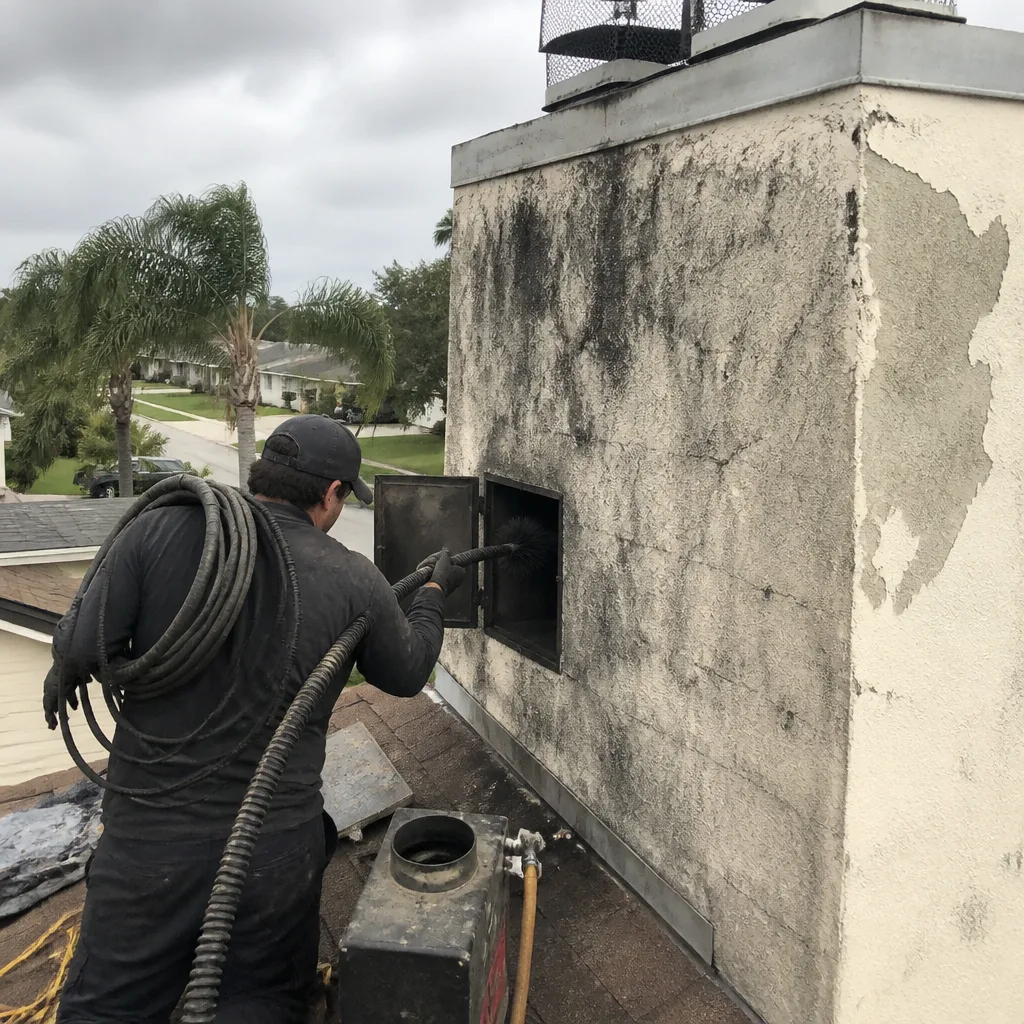 Before
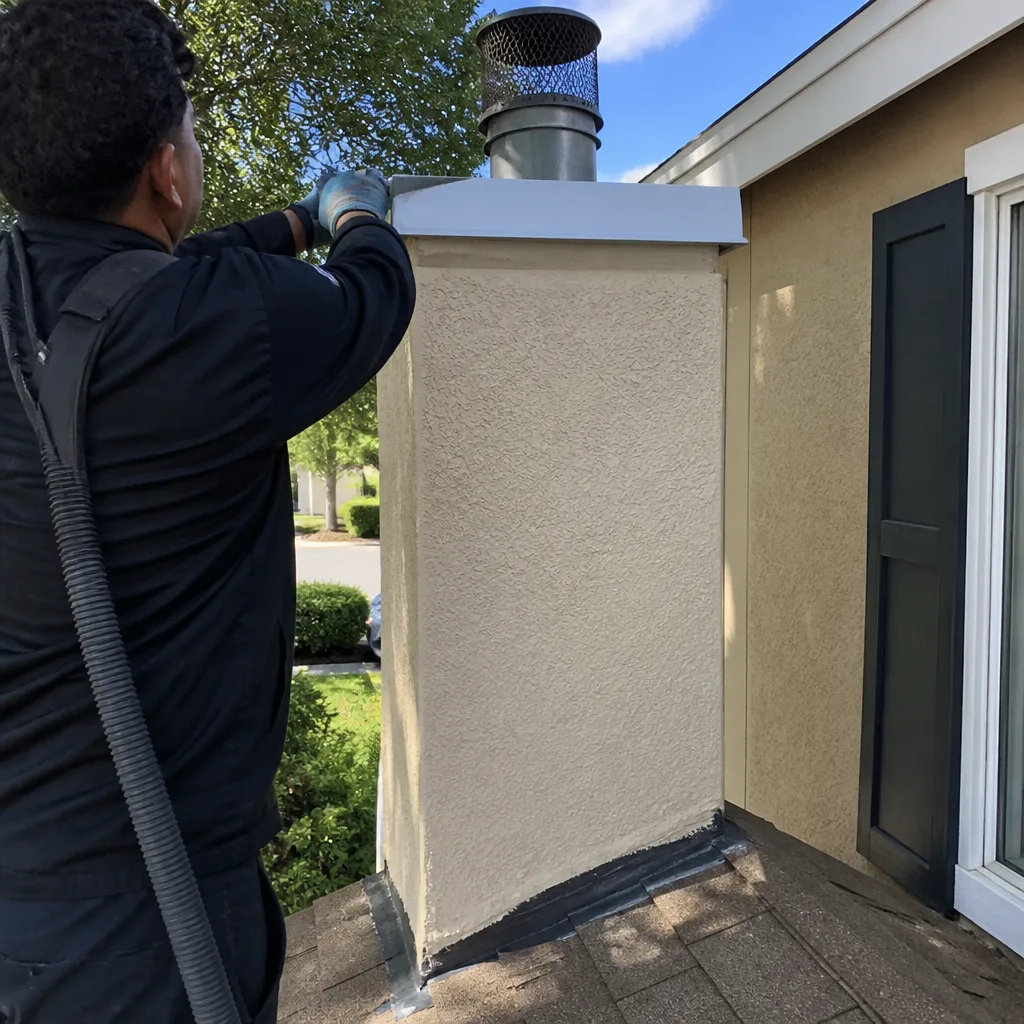 After
After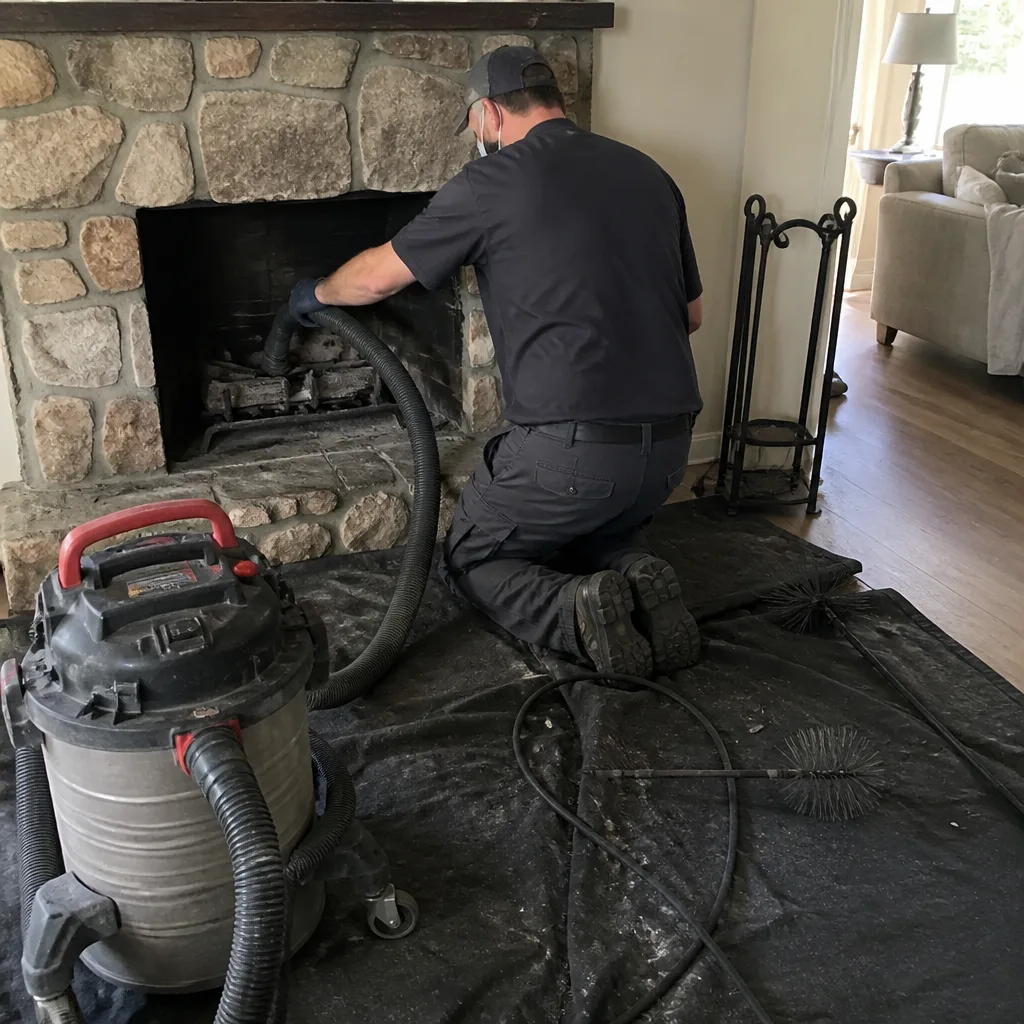 Before
 After
After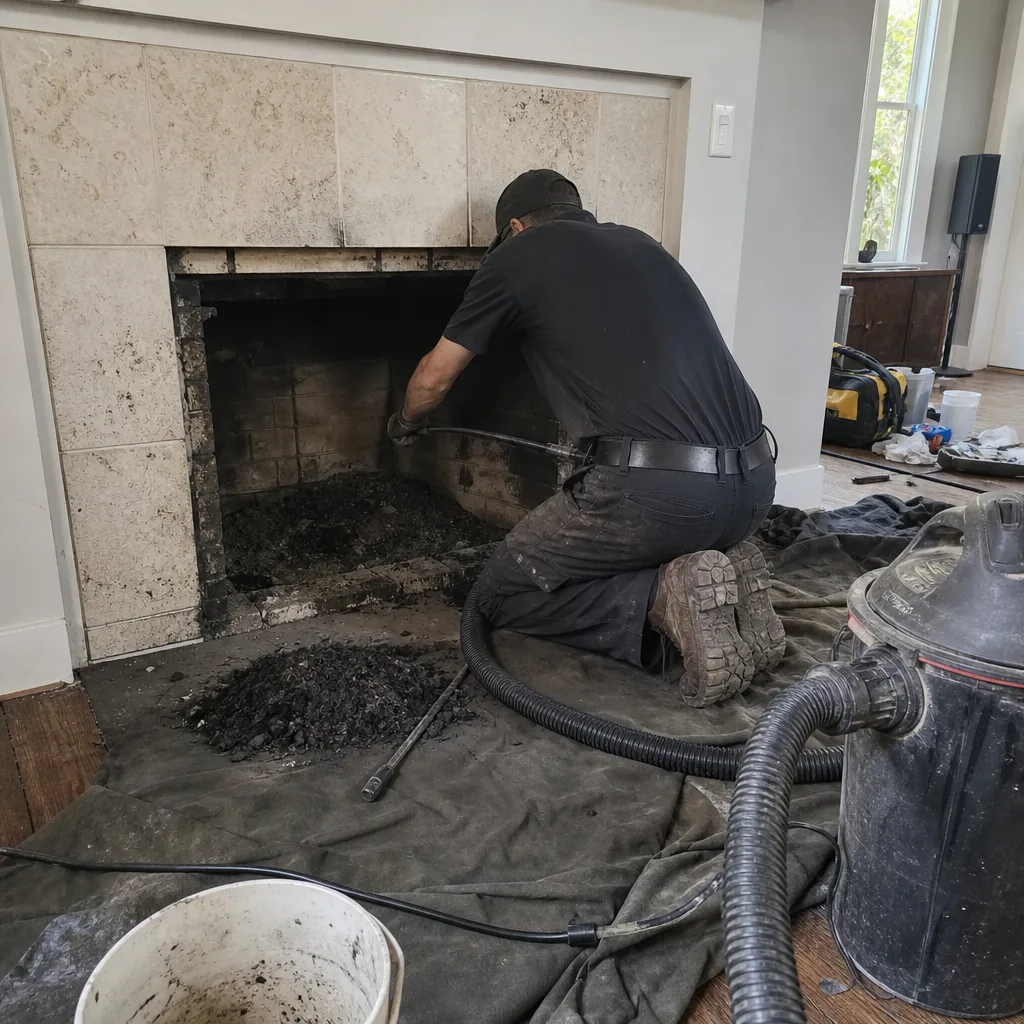 Before
 After
After