
Last updated October 15, 2026
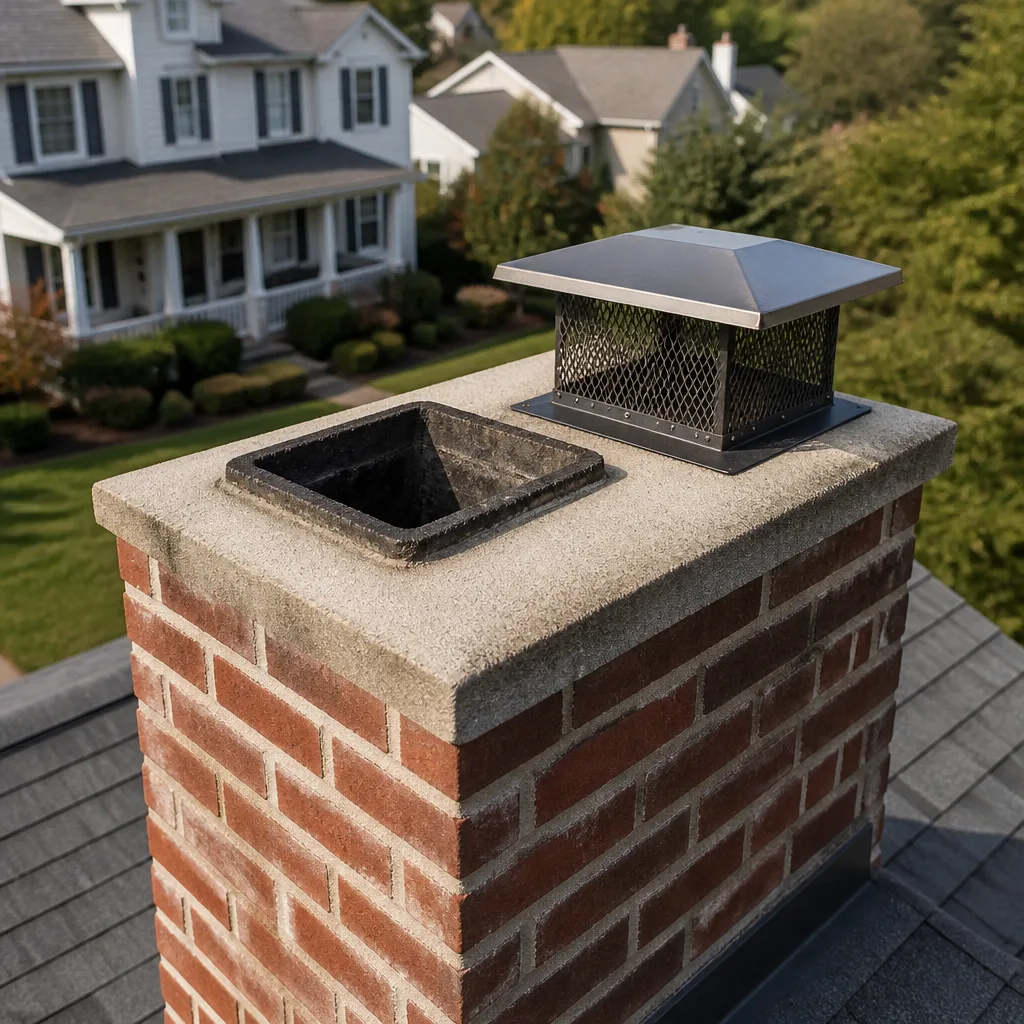 Sweep & inspection
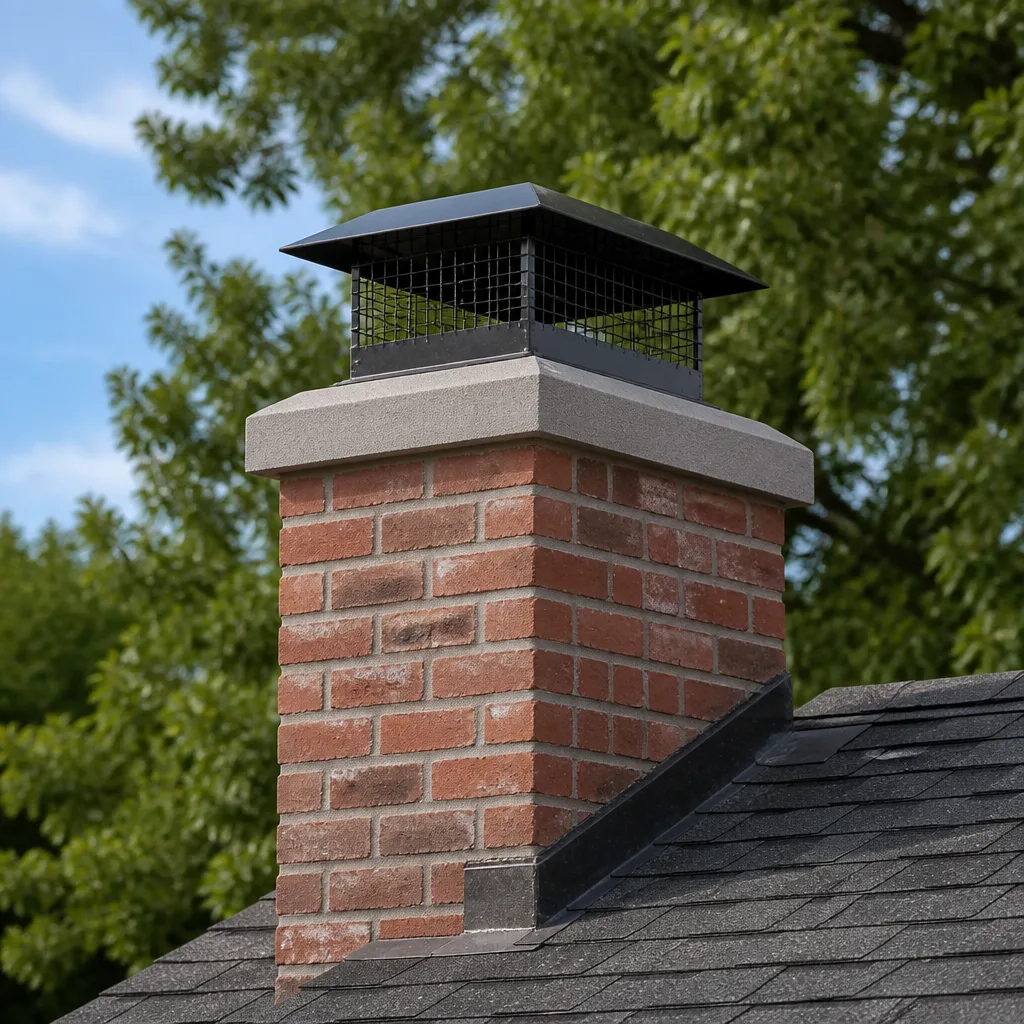 Caps & crowns
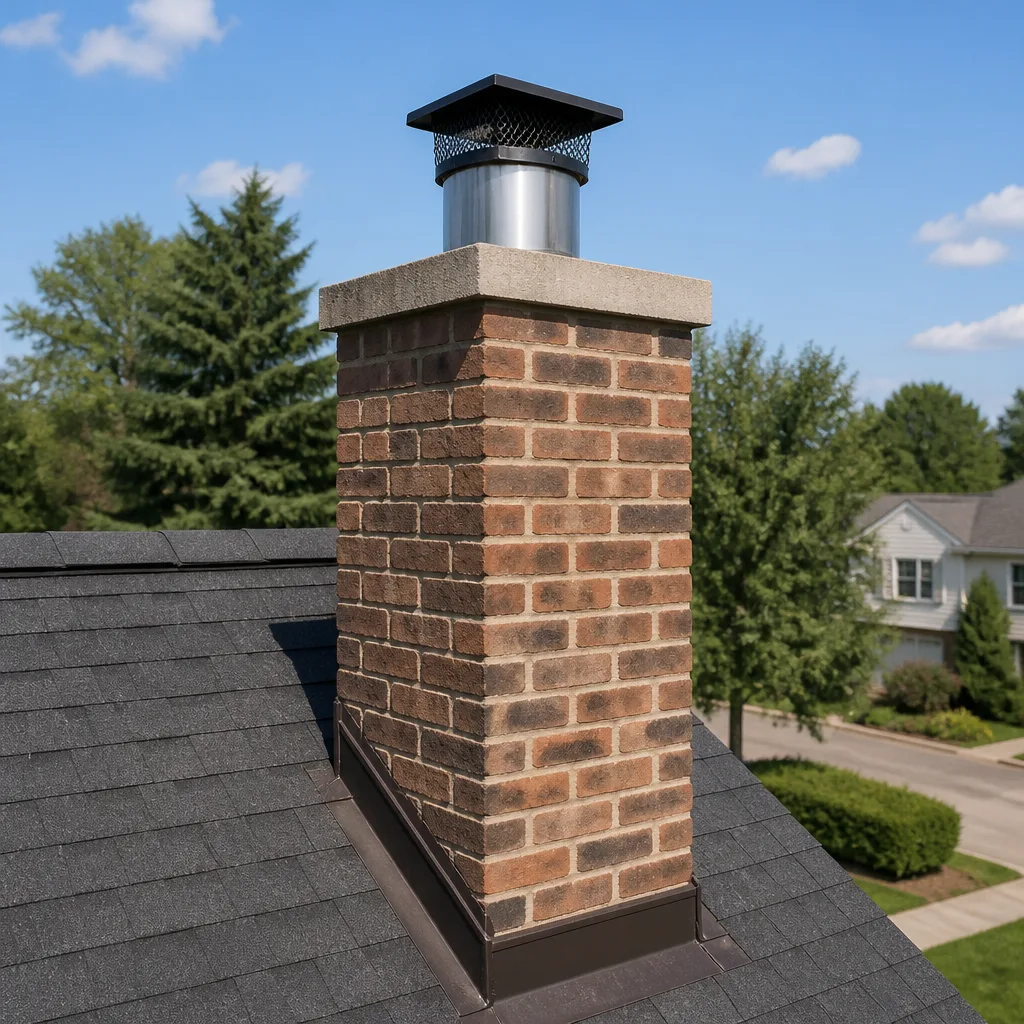 Flue relining
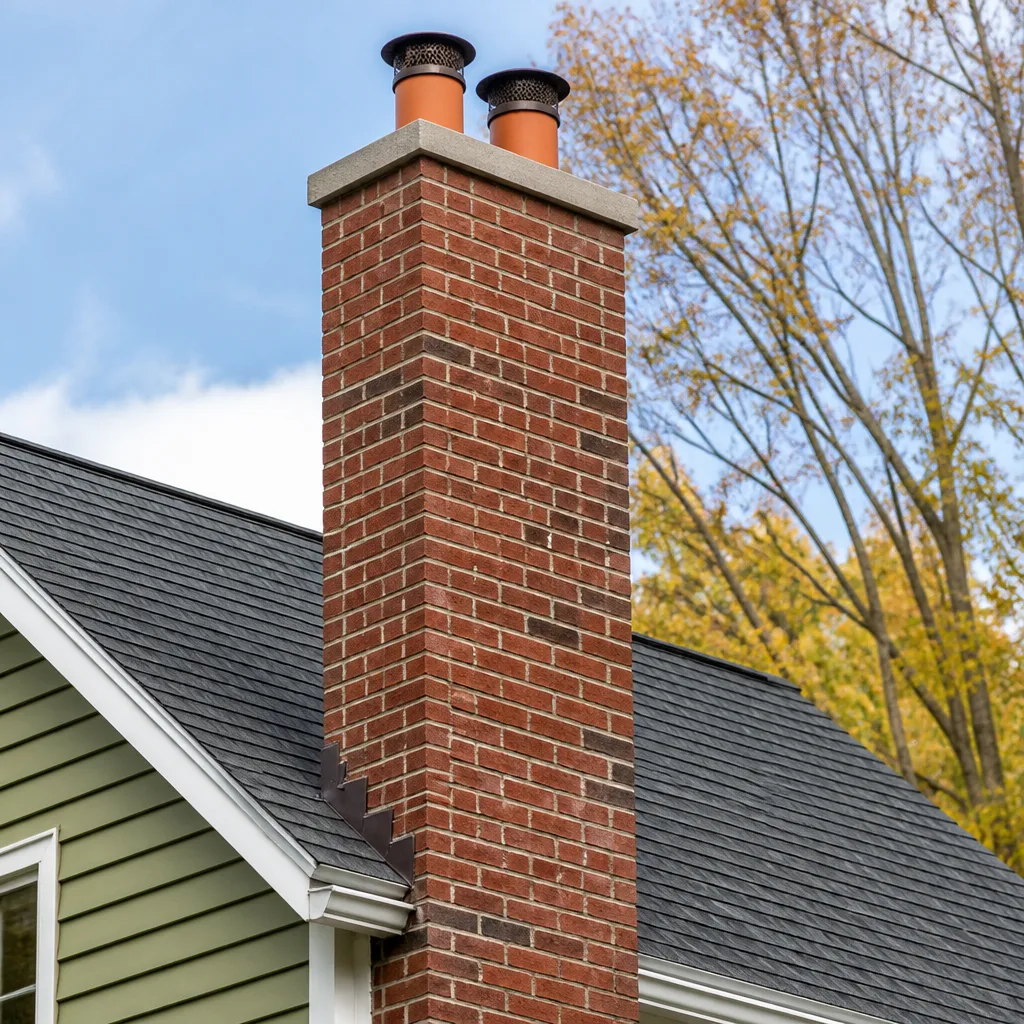 Masonry repair
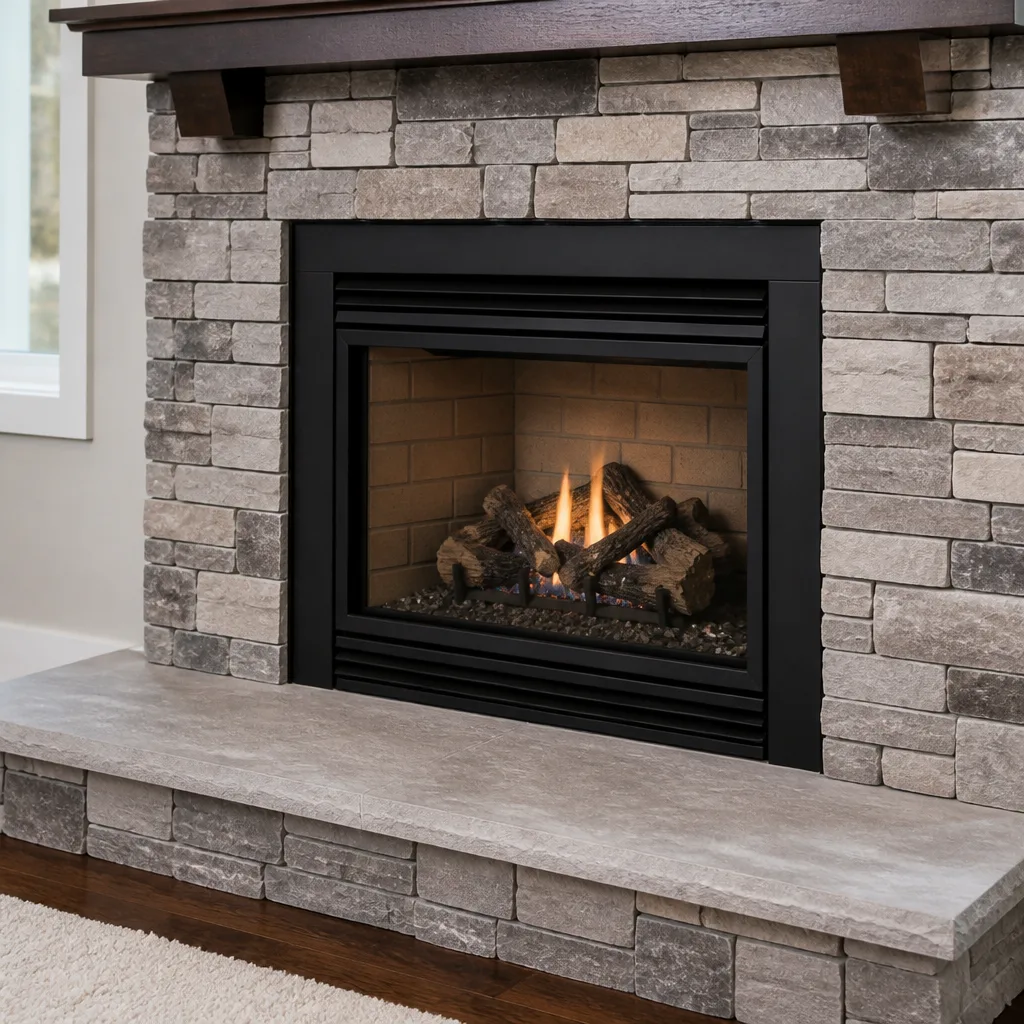 Gas fireplace service
Level 1 sweep and inspection to the NFPA 211 annual standard - flue, crown, cap, and flashing checked and photographed
Chimney sweep logs do not sweep chimneys. They loosen some creosote - which then falls where a brush and vacuum still have to collect it.
Chimney Cleaning Permits, Codes & Inspections in FL: What You Need to Know
A Orlando homeowner paid $2,400 for a chimney relining job, no permit was pulled, and when they sold the house two years later the unpermitted work came up in the buyer’s inspection. The sale fell through at the original price. The seller ended up paying for a second relining, this time with permits, just to close. It’s the kind of story that never shows up in a Google search for “chimney cleaning cost” but it happens more often in Orlando than people realize. The truth is simple and counterintuitive: routine chimney cleaning requires no permit in Florida, but the moment a sweep finds damage and recommends repair, you’ve crossed into building code territory. Our Complete Guide to Chimney Cleaning in Orlando explains exactly where that line sits, what Florida Building Code Chapter 10 actually requires, and how to protect yourself before any work begins.
Quick Answer
Routine chimney sweeping and visual inspection require no permit anywhere in Florida. But chimney repairs that involve relining, firebox rebuilding, crown replacement, or structural alterations fall under Florida Building Code Chapter 10 and do require a permit from your local building department, typically Orange County or the City of Orlando. A clean, documented inspection report and a written estimate that flags permit requirements before work starts are your two best protections.
Styles & brands we work with
Table of Contents
- The Line Between Cleaning and Repair: Where Permits Actually Begin
- Florida Building Code Chapter 10: What It Governs
- Permits in Orlando and Orange County: What the Pull Process Looks Like
- How NFPA 211 Interacts with Florida Code
- What to Ask Any Contractor Before You Pay the Final Balance
- Levels of Chimney Inspection: Level 1, Level 2, Level 3
- Masonry vs. Factory-Built Fireplaces: Different Codes Apply
- How We Flag Permit Requirements in Our Written Estimates
The Line Between Cleaning and Repair: Where Permits Actually Begin
Here’s the sentence that saves people thousands of dollars: sweeping a chimney is maintenance. Relining a chimney is construction. Florida law treats these two things completely differently, and the moment a contractor starts talking about repair, you’ve left the world of routine service and entered the world of building permits.
Chimney cleaning removes creosote, soot, and debris from an existing flue. It doesn’t change the structure of the chimney. It doesn’t alter how the chimney works. It’s classified as routine maintenance, and no municipality in Florida requires a permit for it. The same goes for visual inspections, even Level 2 inspections that use cameras. Looking at a chimney, even with sophisticated equipment, isn’t construction. It’s assessment.
What changes everything is the word “repair.” The Florida Building Code is clear on this point: any work that alters, reconstructs, or replaces components of the chimney system requires a permit. That means:
- Flue relining (stainless steel, poured-in-place, or clay tile replacement) requires a permit.
- Firebox rebuilding requires a permit because you’re altering the fire chamber’s structural and thermal characteristics.
- Crown replacement or rebuilding requires a permit because the crown is part of the chimney’s weather-resistance envelope.
- Chimney rebuilding above the roofline requires a permit, full stop.
- Masonry repair that involves structural elements requires a permit, though cosmetic repointing of a few joints typically does not.
In our experience in Orlando, most homeowners find out about this line after something has already gone wrong, often missing the chimney cleaning warning signs that could have caught it earlier. Either the repair was done without a permit and it surfaced at sale, or the contractor added permit fees into the quote but never filed the paperwork with Orange County. Either situation leaves the homeowner on the hook. The good news is that once you understand the line, it’s simple to stay on the right side of it.
Florida Building Code Chapter 10: What It Governs
Florida Building Code is thick enough to stop a door, but for chimneys you really only need to understand one chapter. Chapter 10 covers chimneys and fireplaces. It’s the section that dictates how chimneys get built, altered, repaired, and inspected in the state of Florida. It doesn’t say much about cleaning, because cleaning isn’t a construction activity. It says a great deal about repairs.
Chapter 10 incorporates national standards by reference. When a building official in Orange County signs off on a chimney repair, they’re checking it against the structural, clearances, and materials requirements in Chapter 10, which lean heavily on NFPA 211 and the International Residential Code provisions for chimneys. What that means in practice is that you can’t simply shove any liner into an existing flue and call it done. The liner has to be sized correctly for the appliance, rated for the fuel type, and installed with the required clearances. The repair has to restore the chimney to code compliance, not just patch it enough to pass a quick visual check.
There’s a reason Florida code treats this seriously. Central Florida’s heat and humidity create a unique set of chimney problems. Moisture gets into masonry and corrodes metal components faster than you’d see in a dry northern climate. The freeze-thaw cycle isn’t the main enemy here; it’s moisture penetration and the slow degradation from high humidity. When a chimney system has been degraded by years of Florida weather, a “repair” that doesn’t fully restore code compliance is just a future problem with a receipt attached.
Chapter 10 also affects how a repair is documented. Building departments don’t just take your word that the work was done. They require inspection at specific stages. For a relining job, the inspector typically needs to see the liner before it’s secured in place, or at minimum verify the appliance connection and the termination at the top. That’s why doing this work without a permit isn’t just a paperwork lapse. It means no one from the building department ever laid eyes on the repair while it was still visible. That’s how unpermitted work becomes undisclosed liability.
Permits in Orlando and Orange County: What the Pull Process Looks Like
If you own a home within Orlando city limits, your chimney repair permit goes through the City of Orlando’s Building Division. If you live in unincorporated Orange County or another local municipality like Winter Park, Ocoee, or Apopka, you’ll file with Orange County or your city’s local building department. The process is similar across all of them, but there’s enough variation that blanket advice is worthless. What matters is that the responsible party pulls the permit before work begins, not after.
Here’s what the permit pull process actually looks like for a typical chimney repair in the Orlando area:
- Scope of work is defined. The contractor documents exactly what will be repaired: the type of liner, the material, the method, the access points. A vague “chimney work” description doesn’t sail through plan review.
- Permit application is filed. This includes the scope of work, the contractor’s license information, and the address where the work will happen. The contractor should be able to produce the application number on request.
- Permit fee is paid. Fees vary by jurisdiction and scope. A simple relining permit might run $150 to $400 in Orange County, while a full rebuild could push higher. Your contractor should show you this as a line item.
- Work begins only after the permit is issued. This is the point where too many contractors cut corners. They’ll schedule the work, start it, and file the permit “in process.” That’s not how it’s supposed to work.
- Inspection is scheduled and passed. Once the repair is complete, the building department sends an inspector to verify the work matches the permit and meets Chapter 10. The final sign-off is your proof that the work was done to code.
When we do a Chimney Inspection in Orlando, we document what we find and flag any repair that would require a permit in the written estimate. That way you know before you’ve spent a dollar whether you’re looking at routine maintenance or a permitted repair project.
One detail that surprises Orlando homeowners: unpermitted work isn’t a victimless paperwork error. When you sell the house, the buyer’s home inspector looks for signs of recent chimney work. If they find a new liner with no permit, it becomes a material defect in the disclosure. That’s exactly what happened in the story at the top of this page, and it’s an expensive problem to unmake.
How NFPA 211 Interacts with Florida Code
NFPA 211 is the national standard for chimneys, fireplaces, vents, and solid fuel-burning appliances. It’s the document that tells you how often to clean a chimney, how much creosote is too much, and what clearance to combustibles should be. Florida code references NFPA 211 when it comes to chimney construction and repair standards. That’s why a contractor can’t just say “this is how we’ve always done it” and call it code-compliant.
The NFPA 211 cleaning trigger is specific: chimneys should be cleaned when there’s 1/8 inch or more of creosote accumulation. That’s not an arbitrary number. Creosote at that thickness can fuel a chimney fire, and the risk increases with use. In Orlando, even a fireplace used sparingly from November through February can build creosote faster than you’d expect because the wood available in Central Florida often hasn’t been seasoned as long as it should be. Green wood creates more creosote, even in modest quantities. That means the “once a year” rule is a floor, not a ceiling, for Orlando homes where the fireplace actually gets used.
The intersection of NFPA 211 and Florida Building Code matters most when a repair is planned. Here’s the practical application:
- NFPA 211 sets the standard for what “safe” looks like. It defines acceptable clearances, required materials, and installation practice.
- Florida Building Code Chapter 10 makes NFPA 211 enforceable. The building inspector signs off against the code, which references the NFPA standard.
- When you get a Level 2 inspection, the inspector is looking for conditions that violate NFPA 211, which then become repair items under Florida code.
This is why a cheap “inspection” from someone who isn’t trained in NFPA 211 standards is worth exactly what it costs. A real inspection uses the standard as the yardstick. If a sweep gives you a visual thumbs-up without documenting what they examined and how it compared to the standard, they’re not doing the job you’re paying for.
For deeper context on what a legitimate inspection includes, see our guide on Kindling Chimney Orlando home services and how we document every visit.
What to Ask Any Contractor Before You Pay the Final Balance
If you’re having chimney repair work done, you’re going to write a check at the end. Before you do, there are five things you should ask to see. None of them are optional. A legitimate contractor will produce them without a beat of hesitation. A contractor doing unpermitted work will start to get vague.
Ask for the permit number. Every permitted job in Orange County and the City of Orlando has a permit number. It’s on the application, the invoice, and the final inspection report. If the contractor can’t give you a number, the work wasn’t permitted, or it wasn’t permitted for your address. Ask for the number early, not at the end.
Ask to see the inspection sign-off. The permit is only half the story. The final inspection is the other half. The building department’s sign-off means an inspector actually verified the work. It’s the difference between “we pulled a permit” and “we finished a permitted job.” A permit that was pulled but never closed is nearly as bad as no permit at all.
Ask whether the estimate specifically states what’s included in the permit line item. Permit costs should be transparent. If the estimate says “permits as required” without a dollar figure, ask for the exact amount. A contractor who won’t quote the permit fee is probably not planning to pull one.
Ask what materials are being installed and whether they’re rated for your application. A stainless steel liner from Fireplace Repair in Orlando professionals should be UL-listed for the fuel type. Poured-in-place liners should be specified by name and with the system’s testing documentation. If a contractor puts “liner” on the invoice and nothing else, ask for the model and certification.
Ask who schedules the inspection and who needs to be home. The answer tells you whether the contractor takes the permitting process seriously or intends to skip it at the last minute. A legitimate contractor will tell you the sequence: work done, inspection scheduled, inspector arrives, sign-off received, final payment due.
At Kindling, our written estimates include a line item for any required permit with the fee spelled out, not lumped into a mystery “processing charge.” We use materials from brands like DuraFlex and HeatShield that carry specific listings for the application, so the product documentation matches the permit application.
Levels of Chimney Inspection: Level 1, Level 2, Level 3
Not all chimney inspections are the same, and understanding the difference between a $99 “chimney check” and a real Level 1 or Level 2 inspection is the first step toward knowing whether your chimney repair conversation is grounded in fact or salesmanship.
Level 1 inspection is the standard annual checkup. It covers the readily accessible portions of the chimney: the firebox, the damper, the flue interior where visible, and the exterior chimney from the ground or roof edge. A Level 1 inspection happens as part of a routine sweep and documents the basic condition of the system. There’s no camera, no roof access required in most cases, and no permit needed, because it’s an assessment. The inspection looks for obvious damage, blockages, and creosote levels that trigger a cleaning recommendation under NFPA 211.
Level 2 inspection goes further. It includes everything in Level 1 but adds a video scan of the full flue interior, an examination of the attic and crawlspace penetrations, and the accessible portions of the chimney exterior. A Level 2 inspection is required under NFPA 211 when there’s been a change to the system, a fuel type switch, a weather event that may have damaged the chimney (like the severe storms we get in Orlando during hurricane season), or a real estate transfer. This is the inspection that uncovers hidden liner cracks, missing mortar joints, and moisture damage that a visual check misses. When a Level 2 inspection reveals damage, we photograph it. You see exactly what we see. There’s no “trust me” involved.
Level 3 inspection is the deepest and most invasive. It’s only called for when Level 1 or Level 2 has already revealed a serious concern that requires accessing concealed areas of the chimney structure. A Level 3 inspection may involve opening walls or removing portions of the chimney to see what’s inside. It’s rare, and it’s never the first step.
For Orlando homeowners, the practical takeaway is this: if someone flips open your fireplace, looks up with a flashlight, and tells you the liner needs replacing, you haven’t gotten a real inspection. You’ve gotten a sales pitch. A legitimate liner recommendation comes with camera footage, measured clearances, and a written report that explains what the camera found and why it matters. That’s what our Chimney Sweep in Orlando team delivers on every job, and it’s the standard you should expect from any contractor.
Masonry vs. Factory-Built Fireplaces: Different Codes Apply
One of the most common sources of confusion in Orlando, where housing stock runs from 1950s block homes to modern subdivisions, is the difference between masonry and factory-built fireplaces. They look similar from the outside. They are not similar in how they’re built, how they’re repaired, or what the code requires.
A masonry fireplace is built on site from brick, block, or stone. It’s heavy, it’s structural, and it’s permanent. The flue is typically clay tile, and over decades of Florida humidity and use, those tiles crack and shift. A cracked clay tile flue is a genuine safety concern because it lets heat and combustion gases reach the masonry around the flue. Masonry fireplaces can be repaired by relining with a stainless steel system like DuraFlex, or by installing a cast-in-place liner. The repair is permitted, inspected, and documented.
A factory-built fireplace, often called a zero-clearance fireplace, is a manufactured unit that arrives as a complete system: firebox, pipe, and termination. It’s lighter, it’s designed to be installed into a framed opening, and it’s engineered as a unit. You cannot just put any liner into a factory-built system. The manufacturer’s specifications control what repairs are allowed. In many cases, the correct repair for a damaged factory-built fireplace is replacement of the damaged components, not relining. Installing the wrong liner into a factory-built system can void the manufacturer’s listing, which is the same as making the fireplace uncodeable, because the listing is what makes it code-compliant in the first place.
Florida Building Code Chapter 10 references both types. For masonry chimneys, it specifies structural requirements and material standards. For factory-built systems, it requires that the unit be installed per the listing and that repairs maintain the listing. A contractor who treats both the same way is a contractor who doesn’t understand the difference.
When you’re looking at a repair estimate, ask which type of fireplace you have and what the manufacturer’s requirements are. If you have a factory-built unit and the estimate says “install stainless liner,” ask how that interacts with the manufacturer’s listing. If the contractor can’t answer, you’re talking to the wrong contractor. We work with professional-grade systems from brands including Olympia Chimney and Gelco, and we’ll show you the product documentation that matches your specific fireplace type before any work is scheduled.
How We Flag Permit Requirements in Our Written Estimates
Every chimney cleaning in Orlando starts with a conversation. But it should end with a document. At Kindling Chimney Orlando, the written estimate is the backbone of every job. It’s not a legal afterthought; it’s the tool that makes everything else trustworthy. It names exactly what will be protected inside the home: floors with drop cloths, air quality with dust containment, furniture placement with nothing moved without asking.
Here’s how it works in practice:
- We arrive, we introduce ourselves, and we put down shoe covers and drop cloths. The C.A.R.E. values aren’t a slogan; they’re the sequence we follow on every visit.
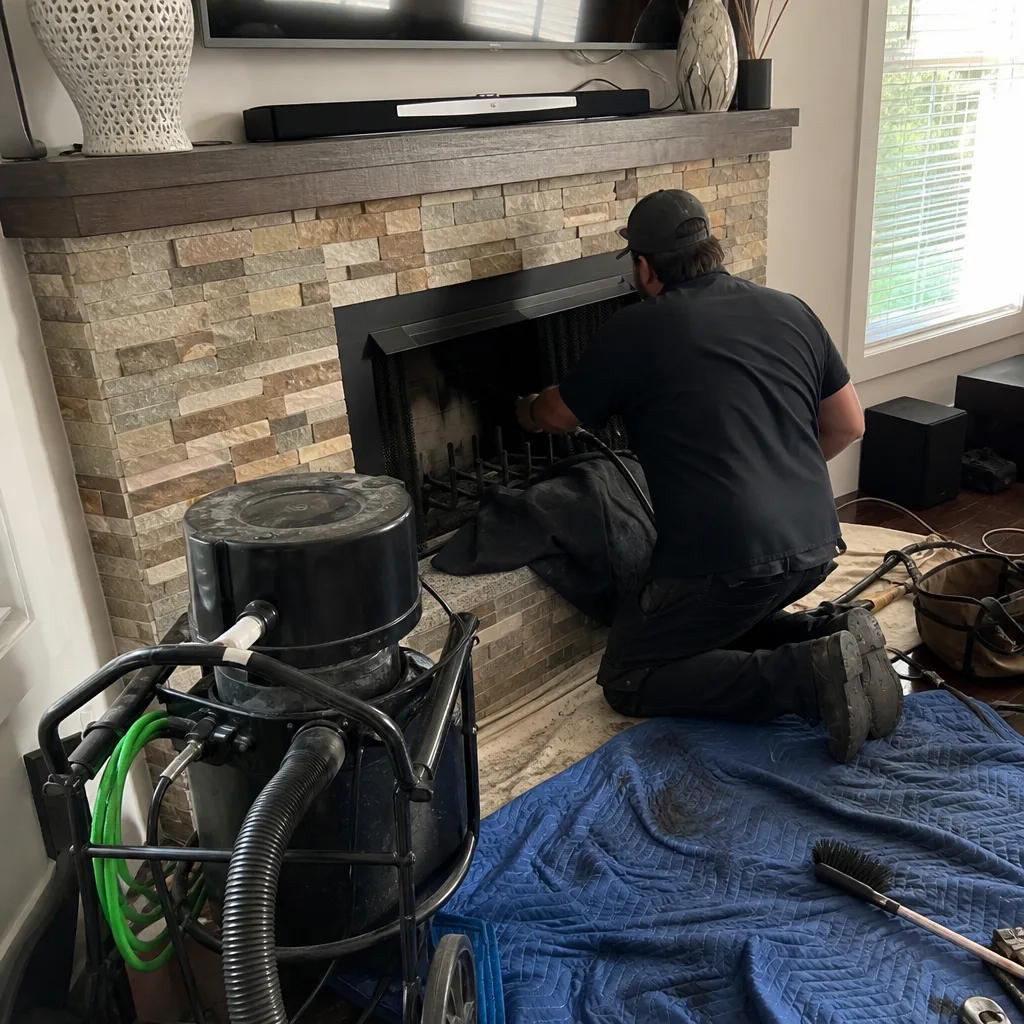
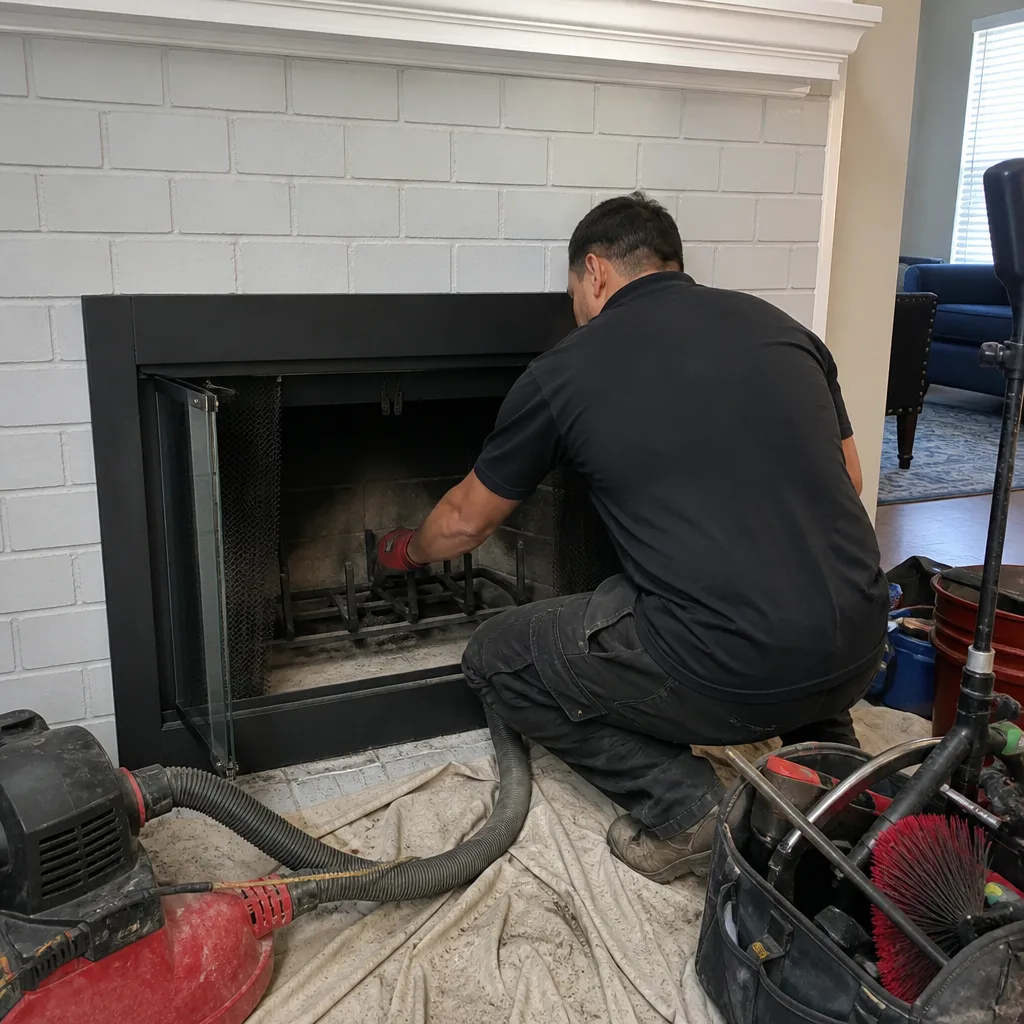
- We perform the inspection and document what we find. If it’s a routine sweep, you get your cleaning and a documented visual check. If the inspection turns up damage, you get photos and a clear explanation.
- We write the estimate before any repair work is discussed in dollar terms. The estimate includes the scope of work, the materials with brand names, the permit line item if one is required, and the price. It does not include surprises.
- If a permit is required, we say so in the estimate and tell you what jurisdiction it comes from. We file the application, schedule the inspection, and provide the permit number and inspection sign-off before the final balance is due.
- We photograph the clean-up before we leave. It’s part of the Cedarwell Care Promise: you get a photo of the job site after we’ve cleaned it, and you don’t have to ask.
No homeowner should have to wonder whether the work being done on their chimney is legal, permitted, or properly inspected. The point of this guide isn’t to make chimney repair sound complicated. It’s the opposite. Once you know the line between cleaning and repair, the process is straightforward. Find a contractor who documents everything. Get the permit number. See the inspection sign-off. Pay the final balance after the work has been verified. It’s that simple, and it protects you from the exact situation that opened this guide.
We’ve seen what happens when families cut corners on chimney documentation. We’ve also seen what happens when they don’t. The difference is a folder full of paperwork that proves the chimney was done right, and a fire you can enjoy without a second thought about what’s behind the wall.
Common Mistakes to Avoid
- Paying for a repair without seeing the permit number. A contractor who did the work without a permit will not have a number to show you. If you pay before you see it, you’ve already lost most of your leverage.
- Confusing a “visual inspection” with a Level 2 inspection. A flashlight look isn’t the same as a camera scan. In Orlando’s humid climate, hidden liner cracks are common, and a visual check can’t see them.
- Accepting an estimate that lumps “permits and fees” into one vague line item. If the permit fee isn’t itemized, ask why. In Orange County and the City of Orlando, permit fees are knowable before the work starts.
- Assuming a stainless liner fits every fireplace. Factory-built fireplaces often require manufacturer-specific components. Installing a generic liner can void the unit’s listing and create a code violation.
- Ignoring the inspection sign-off after a repair. A permit that was pulled but never closed is a loose end that comes back at sale. Ask for the final inspection report before paying the balance.
- Letting a contractor start work before the permit is issued. The sequence matters. Permit first, work second. Anyone who reverses it is cutting corners you’ll pay for later.
- Skipping the annual cleaning because the fireplace “looks fine.” Creosote buildup isn’t visible to the naked eye until it’s already a problem. NFPA 211 says clean at 1/8 inch, and in Orlando’s humid air, the threshold arrives faster than you think.
See the difference
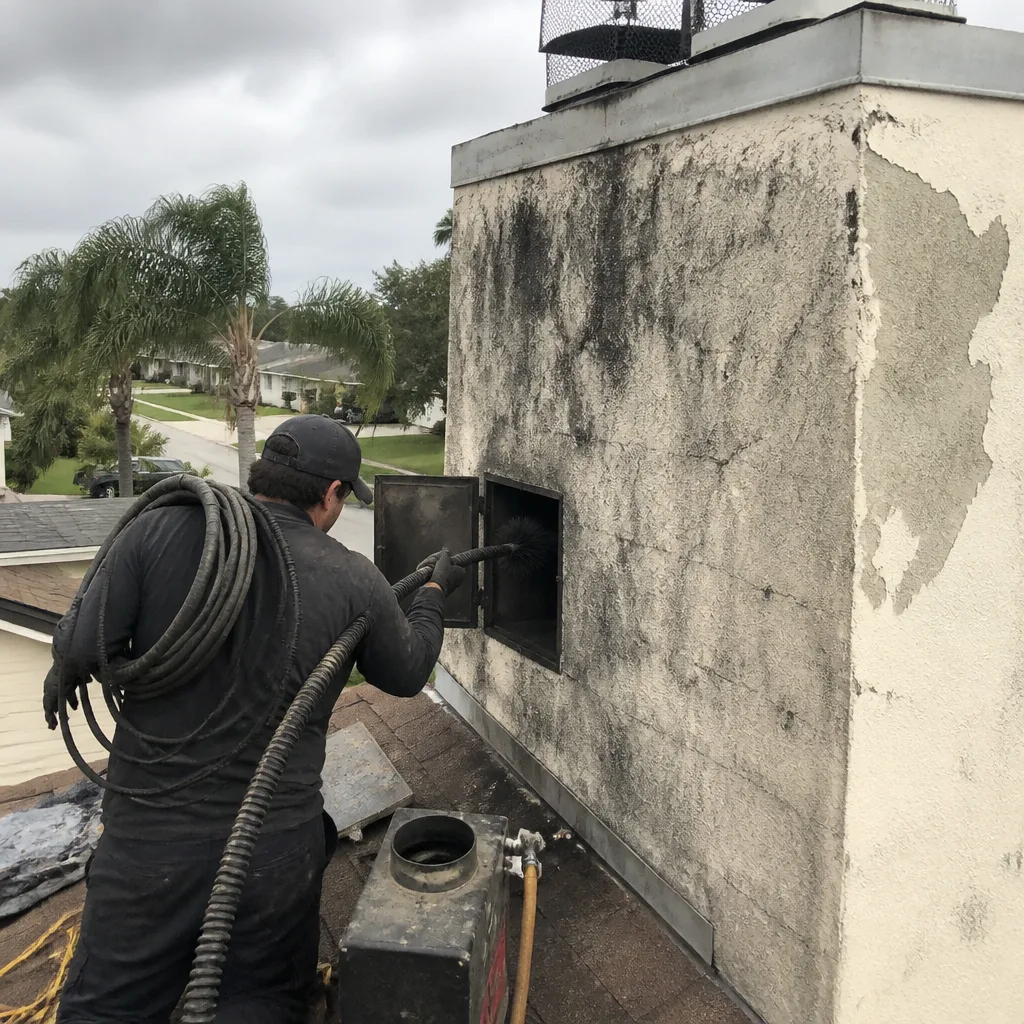 Before
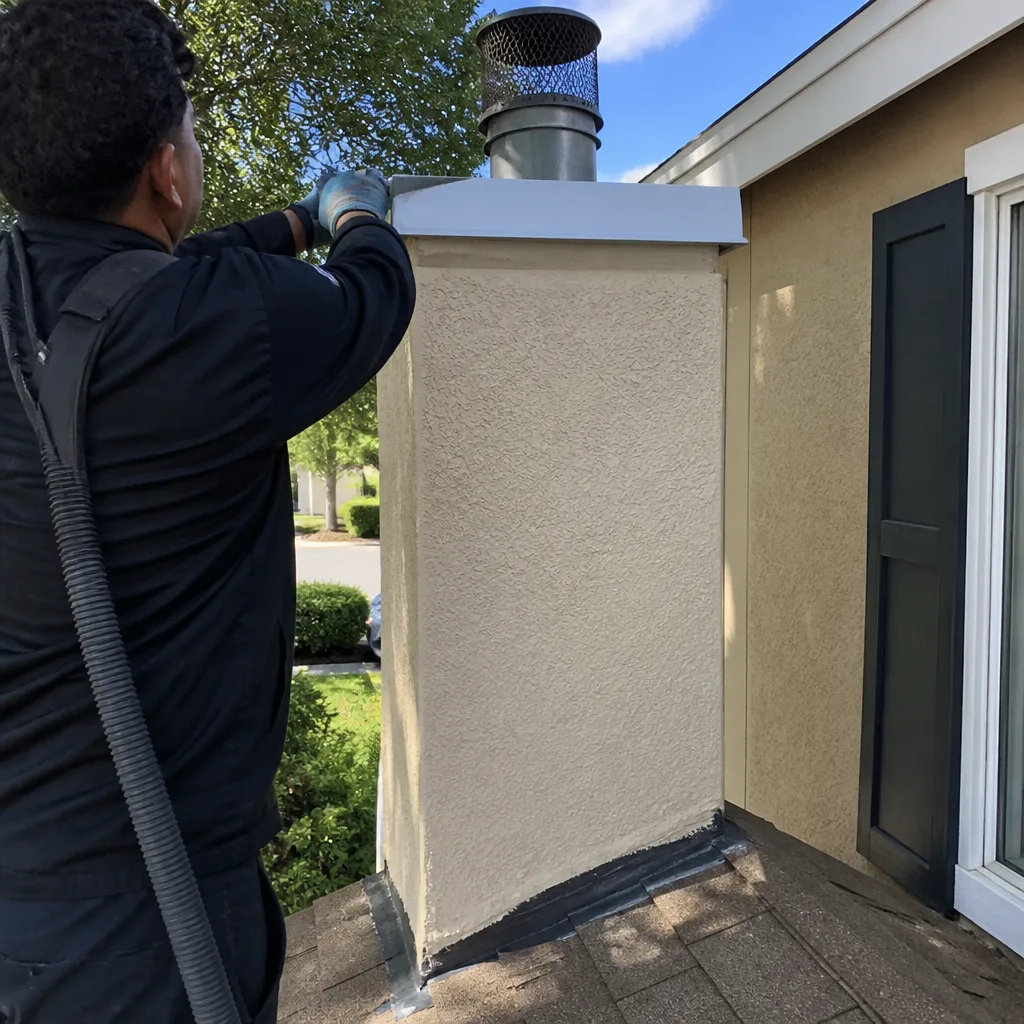 After
After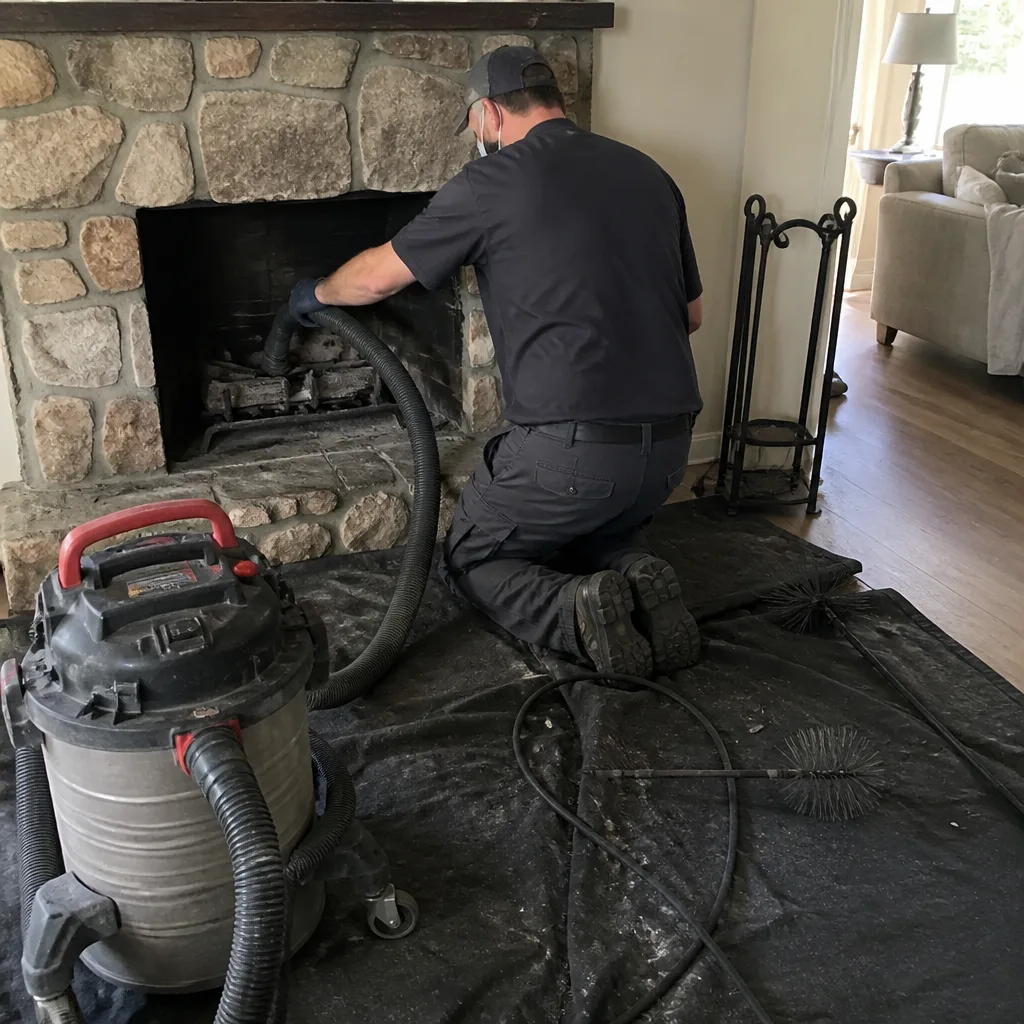 Before
 After
After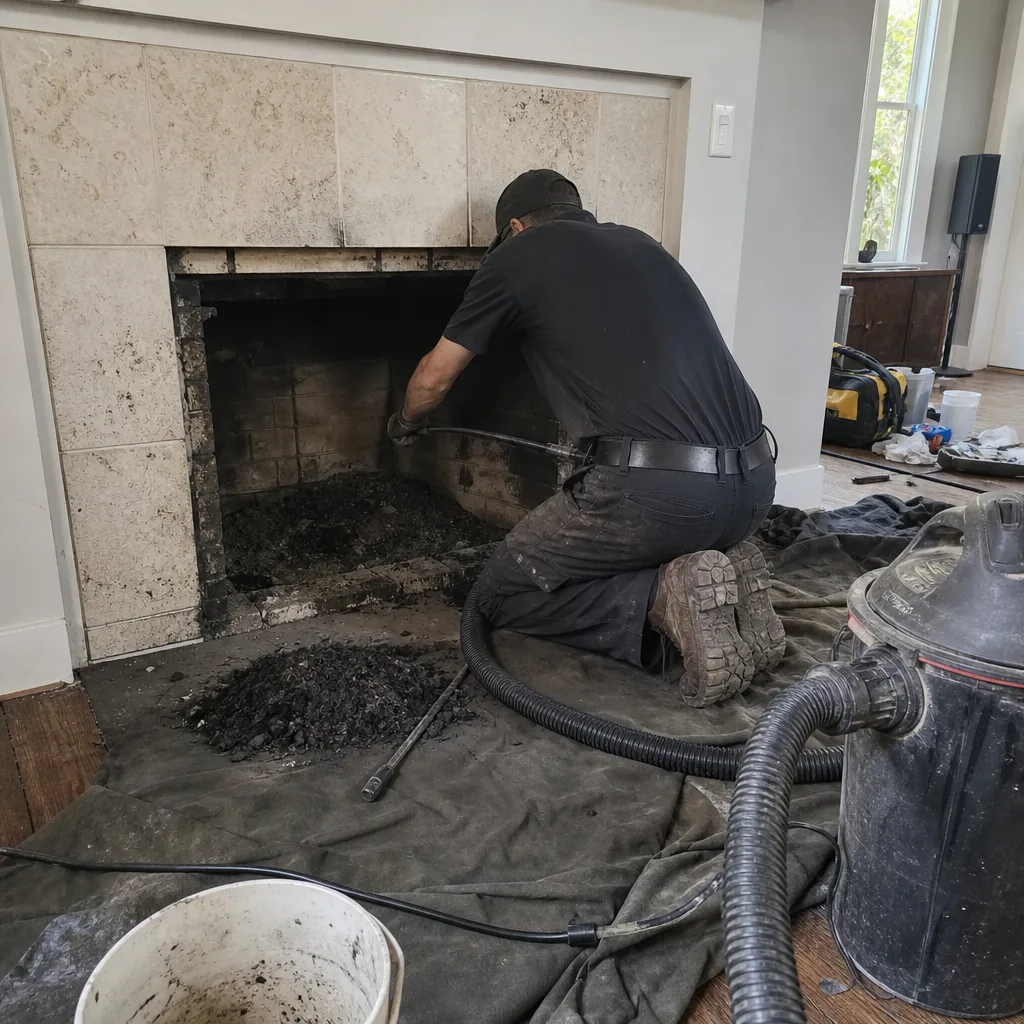 Before
 After
AfterWhen to Call a Professional
If you haven’t had your chimney inspected in the last 12 months, call a professional. If you’ve bought a home with an existing fireplace and no documentation of past maintenance, call a professional. If you see water staining on the ceiling near the chimney, hear debris falling when it rains, or notice a smoky smell in the house even when the fireplace isn’t in use, call a professional. Any of those situations is a signal that the chimney system needs attention, and the longer it waits, the more expensive it gets. Kindling Chimney Orlando offers free estimates throughout the Orlando area. Call (850) 940-3442 and a live person answers, 24 hours a day, 7 days a week, no voicemail trees.
Frequently Asked Questions
No. Chimney sweeping and routine visual inspection are classified as maintenance, not construction, and no Florida municipality requires a permit for them. The permit requirement kicks in only when the sweep finds damage and a repair is recommended.
Flue relining, firebox rebuilding, crown replacement, structural masonry repair, and chimney rebuilding above the roofline all require a permit in Orlando. Cosmetic repointing of a few joints often doesn’t, but any repair that alters the chimney’s structural or thermal characteristics falls under Florida Building Code Chapter 10 and does require a permit.
Most standard chimney sweeps in the Orlando area run between $150 and $300, depending on the chimney’s condition, height, and accessibility. A Level 2 inspection with camera scanning typically adds $100 to $200. Call (850) 940-3442 for an exact quote, it’s free and there’s no on-the-spot pressure.
Yes, if you ever plan to sell your home, and yes, even if you don’t. Relining alters the flue’s diameter, material, and thermal characteristics, which makes it a construction activity under Florida code, not maintenance. Unpermitted relining shows up in buyer inspections and can cost you a sale or force a second repair at your expense.
NFPA 211 says clean when creosote reaches 1/8 inch, which for most Orlando homes translates to annual cleaning if the fireplace is used regularly. In humid Central Florida, creosote builds up faster because the wood available locally is often less seasoned, so the “once a year” rhythm is a sensible minimum, not an overly cautious one.
Creosote keeps building, hairline liner cracks keep widening, and moisture keeps working into the masonry. Eventually you have a problem that costs thousands to fix instead of a few hundred to prevent. And in the worst case, a compromised flue puts carbon monoxide and heat where they don’t belong. Call (850) 940-3442 and we’ll tell you honestly what you need, or don’t need, based on what the camera actually shows.
The Bottom Line
Chimney cleaning in Florida requires no permit. Chimney repair does. The line between the two is the most important thing to understand about owning a fireplace in Orlando, and most people don’t learn it until an unpermitted repair surfaces at the worst possible time. Protect yourself by working with a contractor who documents everything: a written estimate with permit fees itemized, a permit number you can verify, a final inspection sign-off, and camera evidence for any repair recommendation. That’s not an unreasonable standard. It’s the minimum standard. And it’s the only way to enjoy a fire without worrying about what’s behind the wall.
Written by Danny Cortes, Owner at Kindling Chimney Orlando, serving Orlando since 2003.